Wood That Survives the Desert
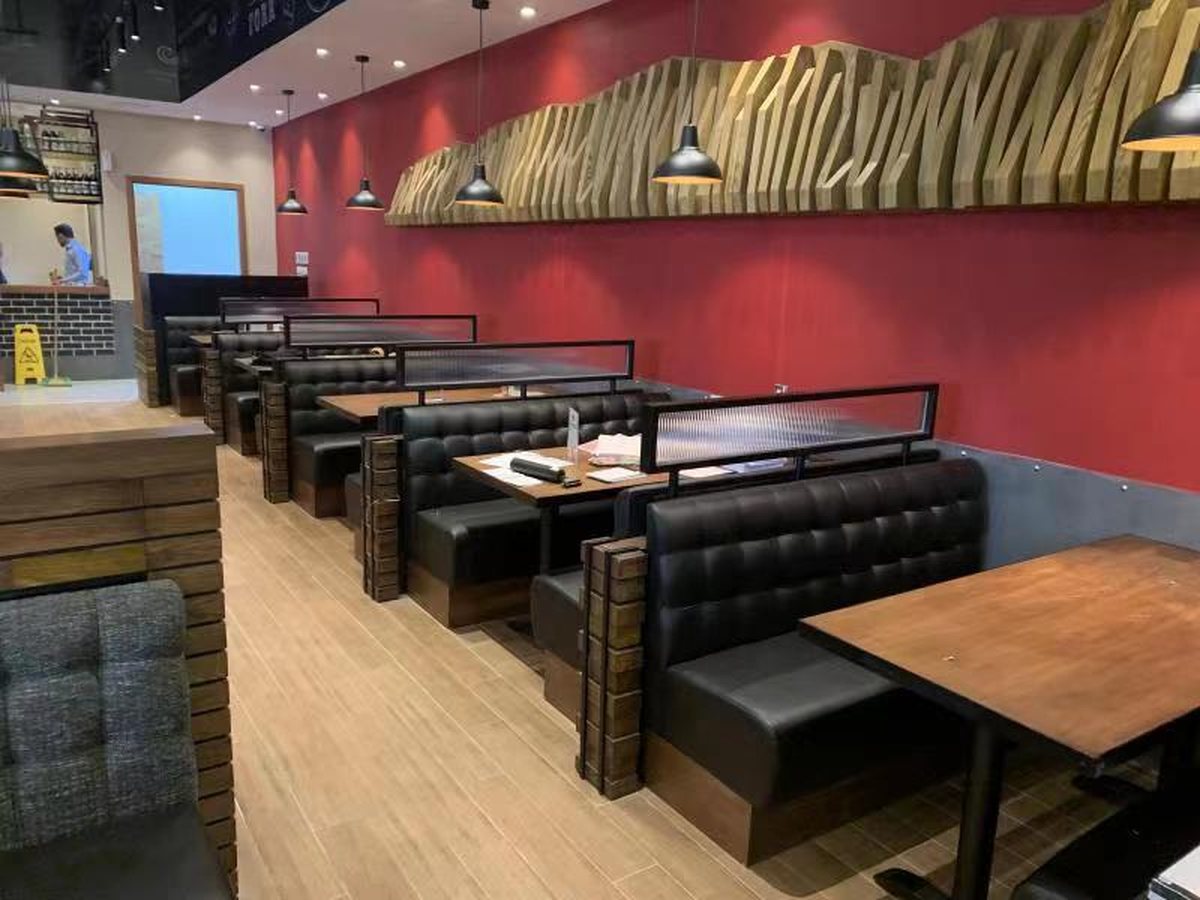
Outback Steakhouse in Al Yasmin Mall, Jeddah, Saudi Arabia put timber furniture in 45°C heat and dry air. The wood did not argue — because it was specified for the climate.
At a glance
- In dry heat, timber fails through movement, not lack of strength.
- Moisture content at manufacture decides the first winter.
- Design joints to allow expansion.
- Acclimatise on site before guests arrive.
Climate risks and what to specify
| Climate risk | What to specify | Why |
|---|---|---|
| Shrinkage | Stable species, controlled MC | Less movement in dry air |
| Joint stress | Expansion allowance | Prevents splits |
| Finish cracking | Flexible finish | Moves with the timber |
| Install shock | On-site acclimatisation | Avoids first-week failures |
The desert does not hate wood; it tests it
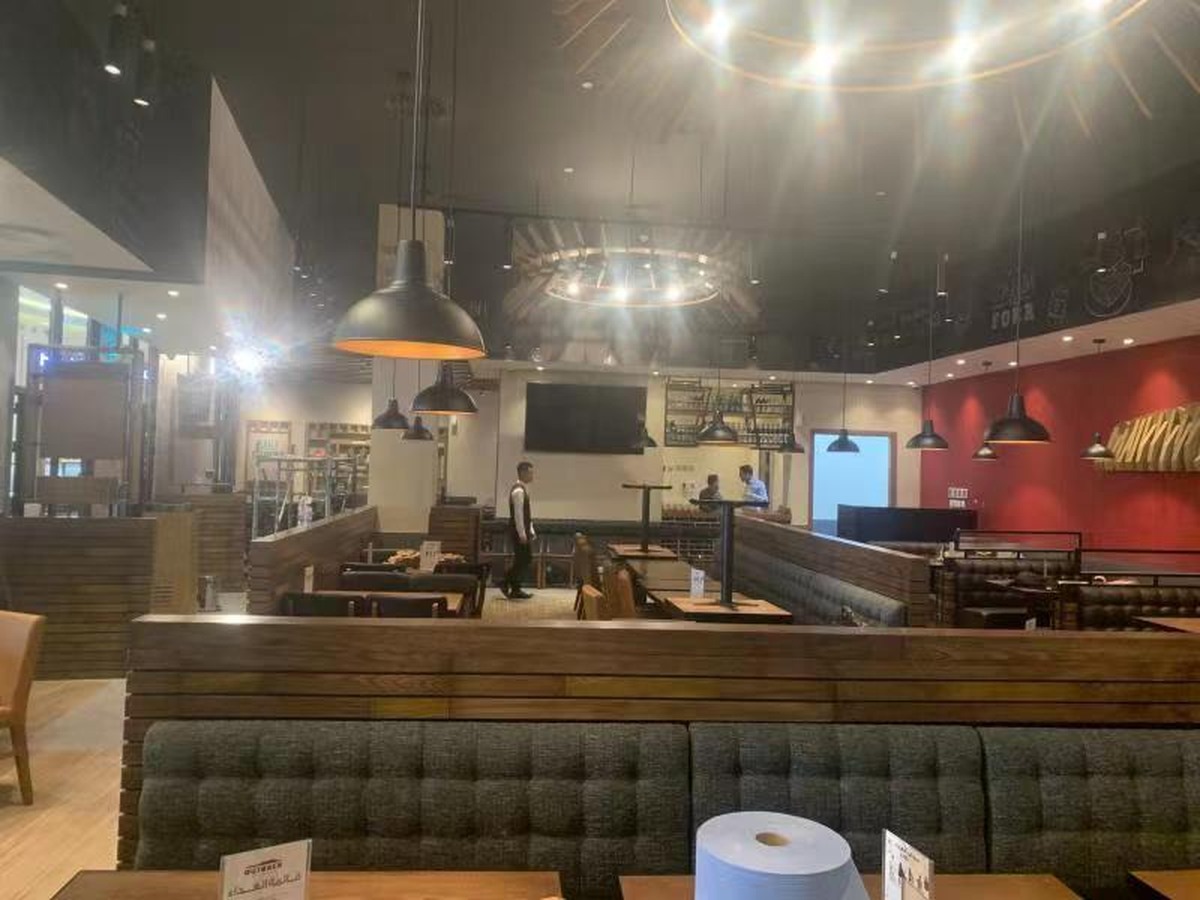
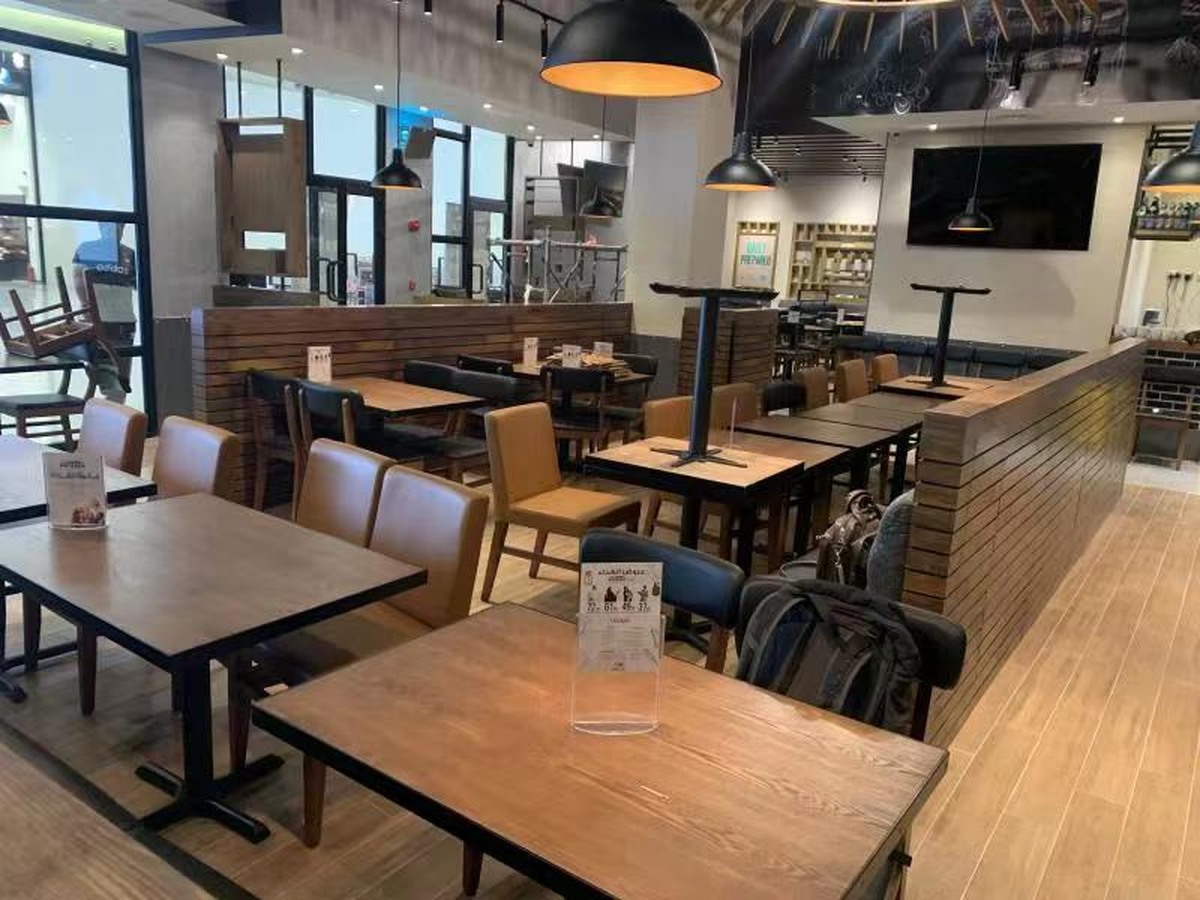
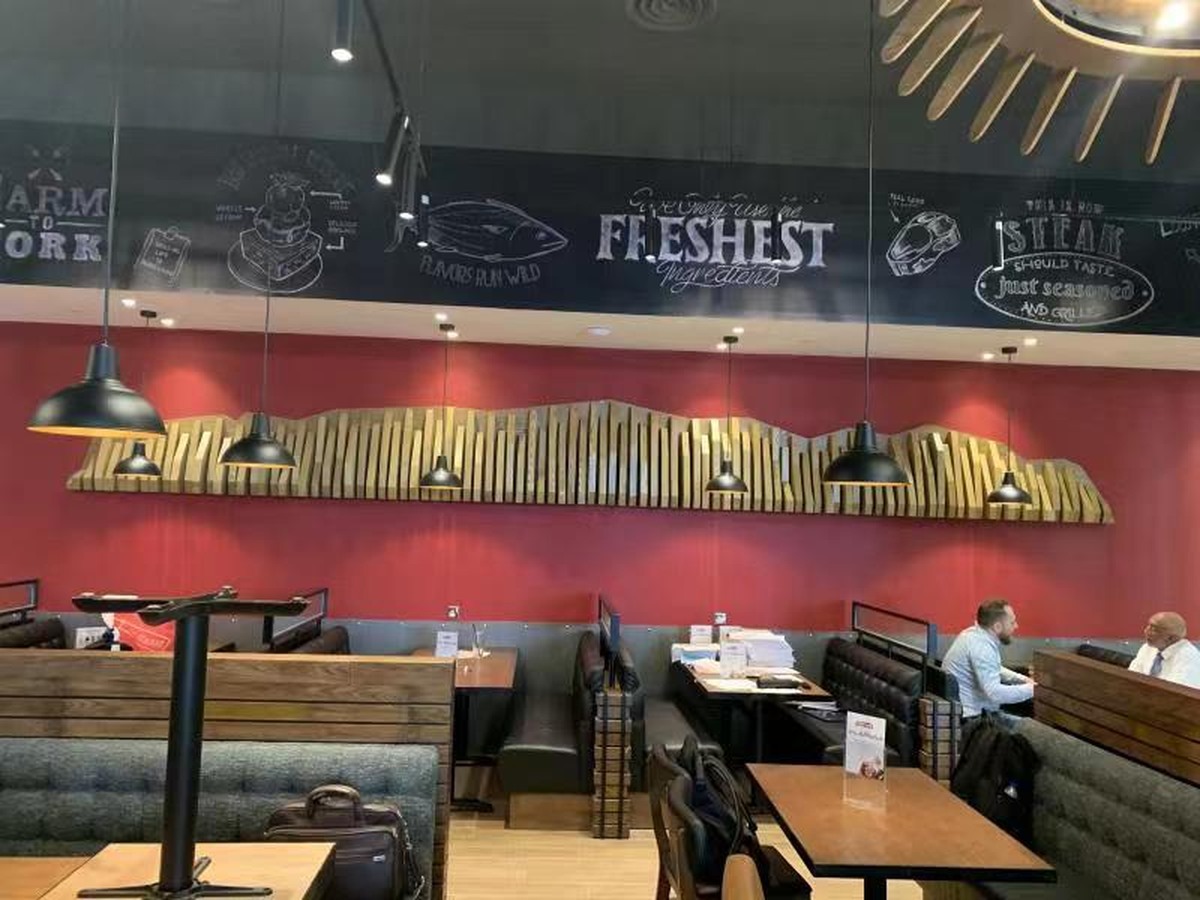
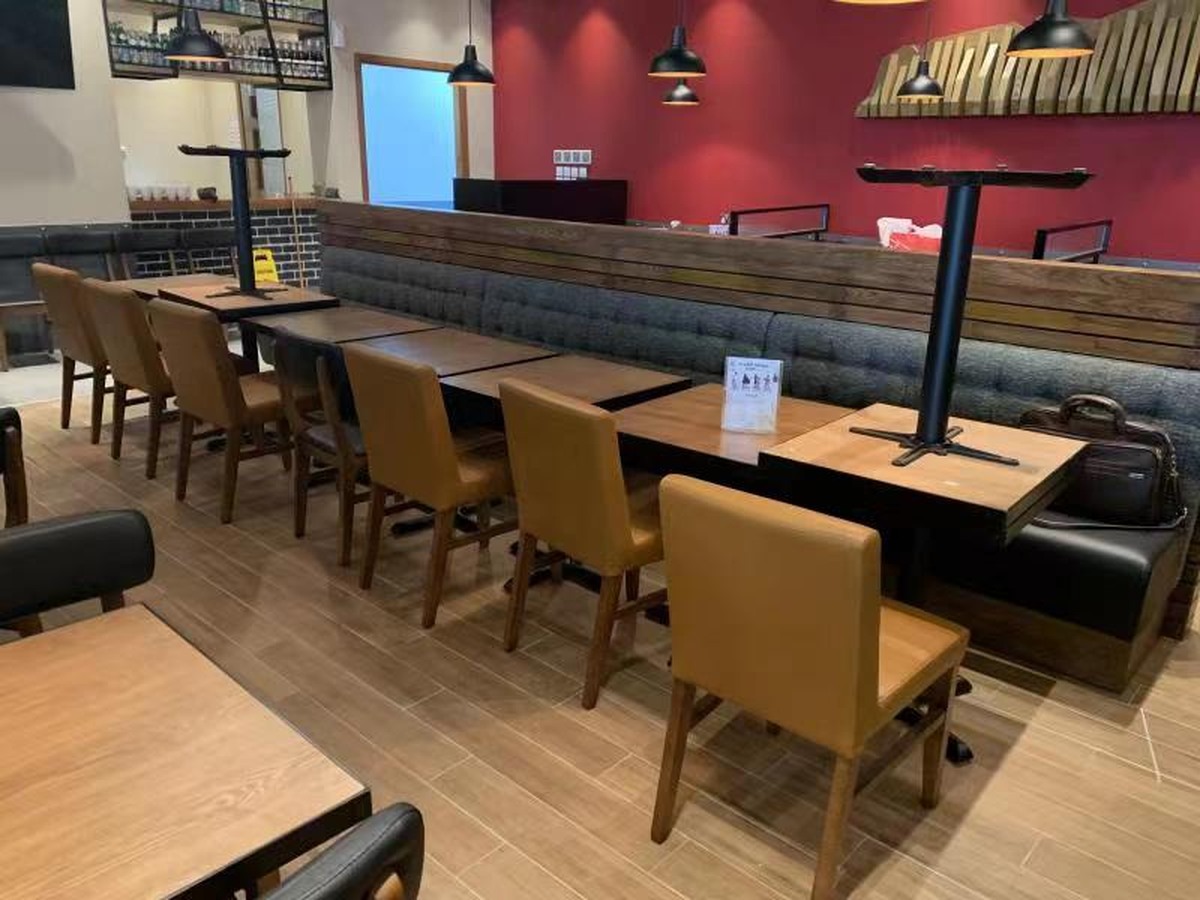
Outback Steakhouse in Al Yasmin Mall, Jeddah, Saudi Arabia is full of warm timber — tables, chairs, booth seating — and it holds up because the timber was specified for where it lives, not where it was made.
Wood moves. The job is to let it move without breaking anything, especially the guest experience.
Moisture content is the whole story
Timber manufactured at the wrong moisture content will move on arrival. In dry heat it shrinks, joints open, and the finish cracks. Specify the moisture content, then acclimatise on site before installation.
A beautiful table that splits in week two is a very expensive lesson in physics.
Design for movement
Joints need room to move. Finishes need to flex. A rigid design in a dry climate is a countdown.
Let the wood breathe and it will behave for years. Fight it and it will win.
The first week is the test
Most timber failures in dry climates happen in the first week, not the first year, because the furniture arrives at one moisture content and the building is at another. The wood does its shrinking in public, in front of guests.
Acclimatise before you install, not after. A week in the room with the air conditioning running is cheaper than a lifetime of touch-up visits and a table with a split down the middle.
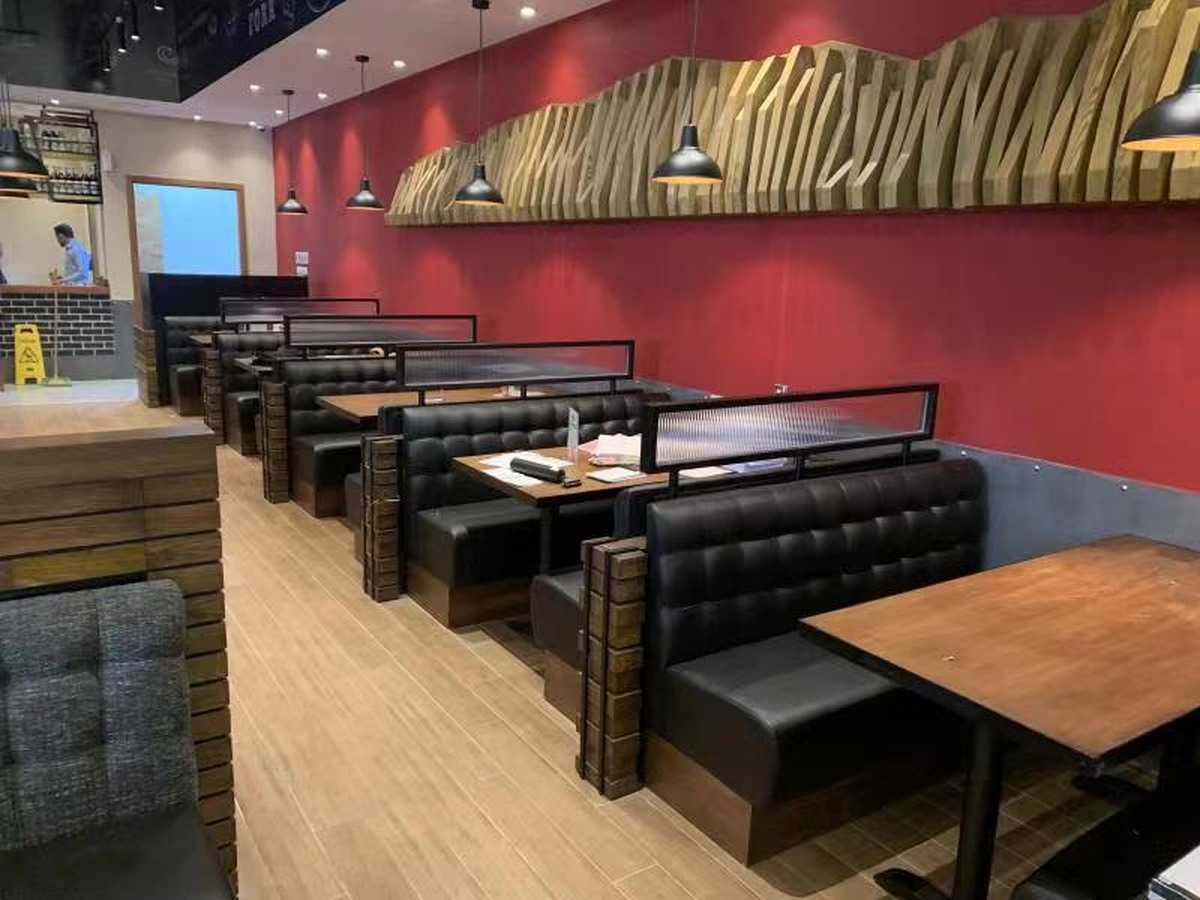
Inside Outback Steakhouse, Al Yasmin Mall, Jeddah, Saudi Arabia
Every photograph below comes from this single NEYI installation.
Questions we get asked about this
Can wooden furniture survive hot, dry climates?
Yes, if specified for the climate: stable species, controlled moisture content, expansion allowances in the joints, flexible finishes, and on-site acclimatisation before installation.
Why does timber crack in dry heat?
Because it shrinks as it loses moisture. If joints and finishes cannot accommodate that movement, the wood splits or the finish cracks.
What moisture content should I ask for?
One matched to the destination climate, agreed in writing with the maker, and checked on arrival. It is the single most useful number in a timber specification.
Should I avoid timber in desert restaurants?
No — timber is warm and forgiving to guests. Just specify it for the climate and let it move. The failure mode is bad specification, not the material.
Planning a room like this?
Send the floor plan, the timeline and a rough budget — the NEYI team replies with a tailored proposal within two working days. Start a project →