Home › Q & A › Comfort & Ergonomics
Why Seat Height Matters When Choosing Restaurant Chairs for Your Dining Room
At a glance
- Dining tables around 720–760 mm usually want a 450–480 mm seat.
- Bar-height seating sits near 750 mm.
- Check the gap between seat and table underside.
- Test with the tallest and shortest regular guest.
Decision at a glance
| Pairing | Typical range | What to check |
|---|---|---|
| Dining table | 720–760 mm high | Seat 450–480 mm; 300 mm table-to-seat difference |
| Bar counter | Approx. 1050 mm high | Stool seat near 750 mm with a footrest |
| Pedestal table | Check the base, not the top | Legroom is often lost below the surface |
Does a few centimetres of restaurant chair seat height really make that much difference?
Yes, because of what sits above and below. Your thigh needs clearance under the table; your elbow wants to land somewhere near the edge; your feet want the floor rather than a decorative stretcher. Move the seat by a small amount and all three negotiations change at once.
There is a range that most contract dining seating works within, and any decent technical drawing will show it. Ask for the drawing, not the photograph. Photographs are taken from an angle that has never met my knees.
What exactly should I measure?
Five things: seat height, table height, the depth of the table apron, seat depth, and arm height if there are arms. The apron is the quiet villain of the dining room — a table can be the right height and still be impossible if a deep rail eats the clearance underneath.
Then measure the guests, or at least admit that they come in more than one size. A room designed around one body tends to be remembered by all the others.
Is a lower restaurant chair more relaxed?
A lower chair with a reclined backrest and a lower table is a lounge chair, and it is a lovely thing in the right place. A low chair at a standard dining table is not a design statement. It is an argument, and the guest loses it somewhere around the main course.
Relaxation in a dining room comes from the backrest angle and the seat depth, not from dropping the seat until it looks informal. Ask for the angle in degrees; it is a surprisingly revealing question to put to a supplier.
What about older guests, or anyone with limited mobility?
Think about standing up as much as sitting down. A seat that is too low, too soft or too deep makes rising an operation rather than a movement. Arms that actually take weight, a base that does not tip when used as a lever, and a firm front edge all help.
Comfort is not only about sitting down. It is also about standing up again with dignity and without grabbing the tablecloth. That is a design brief worth writing into the specification, and it costs nothing extra to ask for.
Can I really test restaurant chair seat height before ordering forty chairs?
Please do. Put a prototype in the actual room, with the actual table, and let the tallest person on staff eat a full meal in it. Cycle testing to EN 16139 or BIFMA protocols tells you whether the frame survives; only a human tells you whether the evening does.
The backrest angle moved three degrees after a guest wrote a polite letter. We kept the letter. That is the whole of ergonomics really: someone noticing, and somebody else being willing to change a drawing.
Does cushion firmness change perceived seat height?
Completely. A cushion that compresses noticeably under a guest has quietly changed the specification you agreed to — and it will keep changing it as the foam ages. Density and recovery matter more than the initial softness that sells the chair in a showroom.
Ask what the cushion is made of, how it is supported, and what it will feel like after a year. A chair is not a single measurement; it is a measurement that moves.
What should I put in the brief about restaurant chair seat height?
Seat height, seat depth, backrest angle, arm height, the table height and apron depth, the range of guests you actually serve, and the test protocol behind the frame. Add one line saying you want a sample to sit in for twenty minutes at the real table. Nothing else in the brief will be read as closely by your guests.
Everything is made to order here, which is a polite way of saying these numbers are still yours to argue about. Start a project with the table dimensions; it saves a great deal of knee-related correspondence later.
I have never complimented a chair in a review. I have, however, stayed for a second coffee and then a third, and once I forgot what time it was. That is the review. Nobody photographs a well-judged seat height, which is precisely how you know it is working.
Have a table height and a room full of different people? Request a Quote.
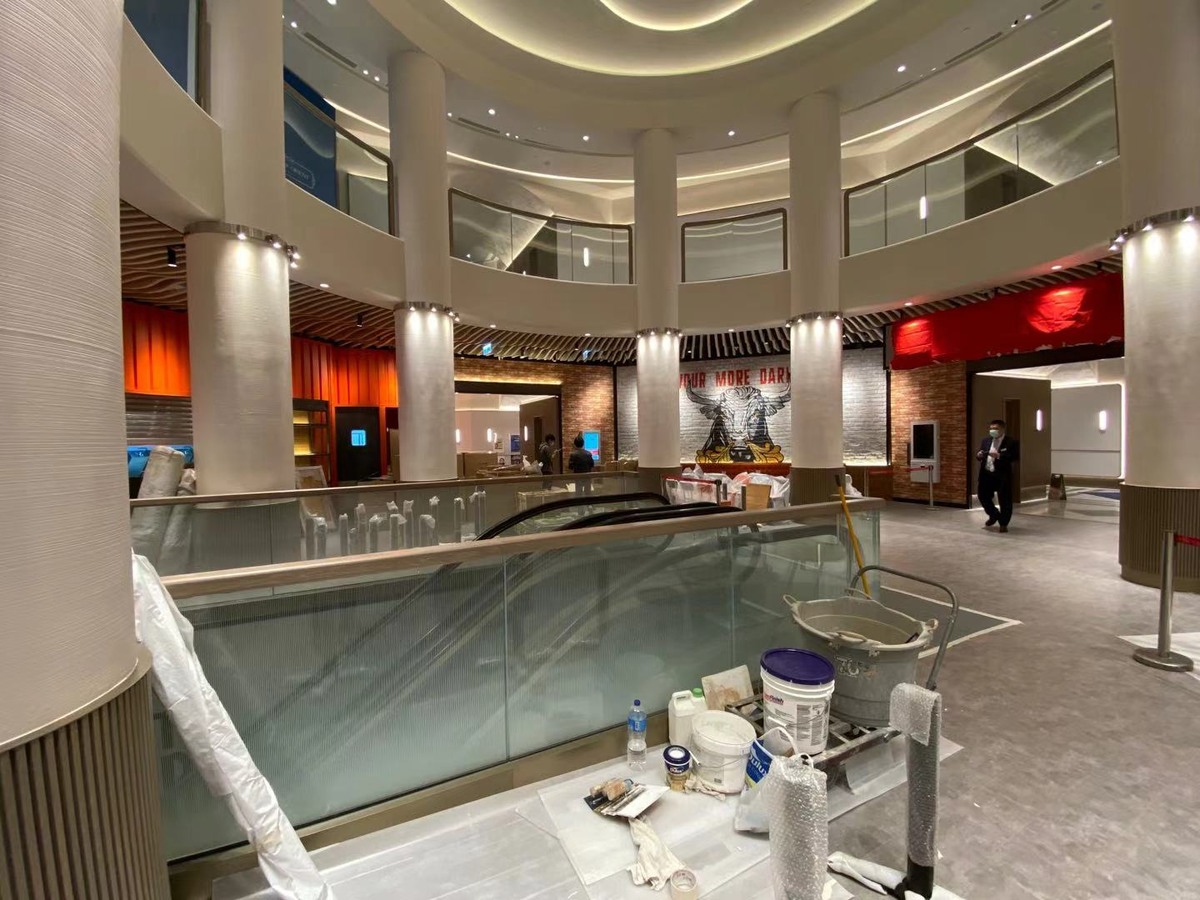
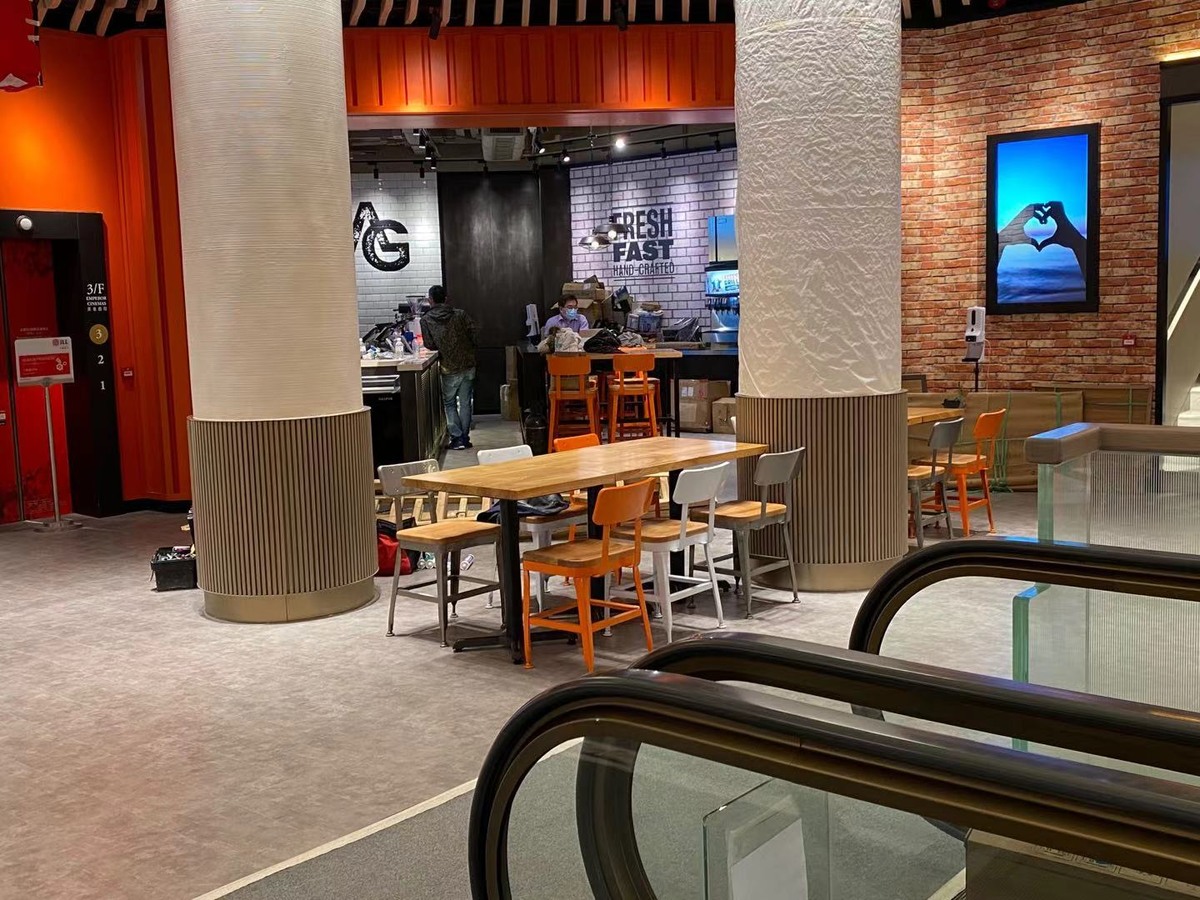
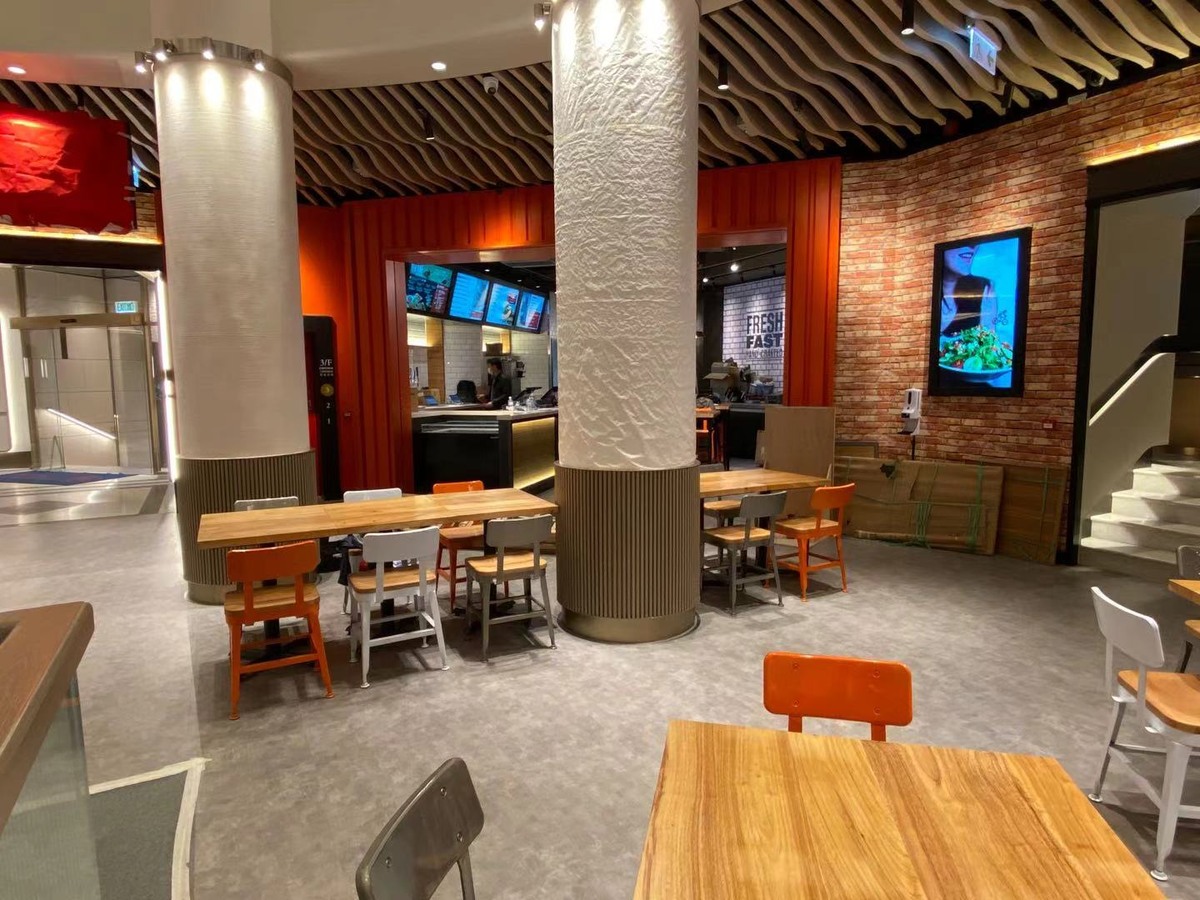
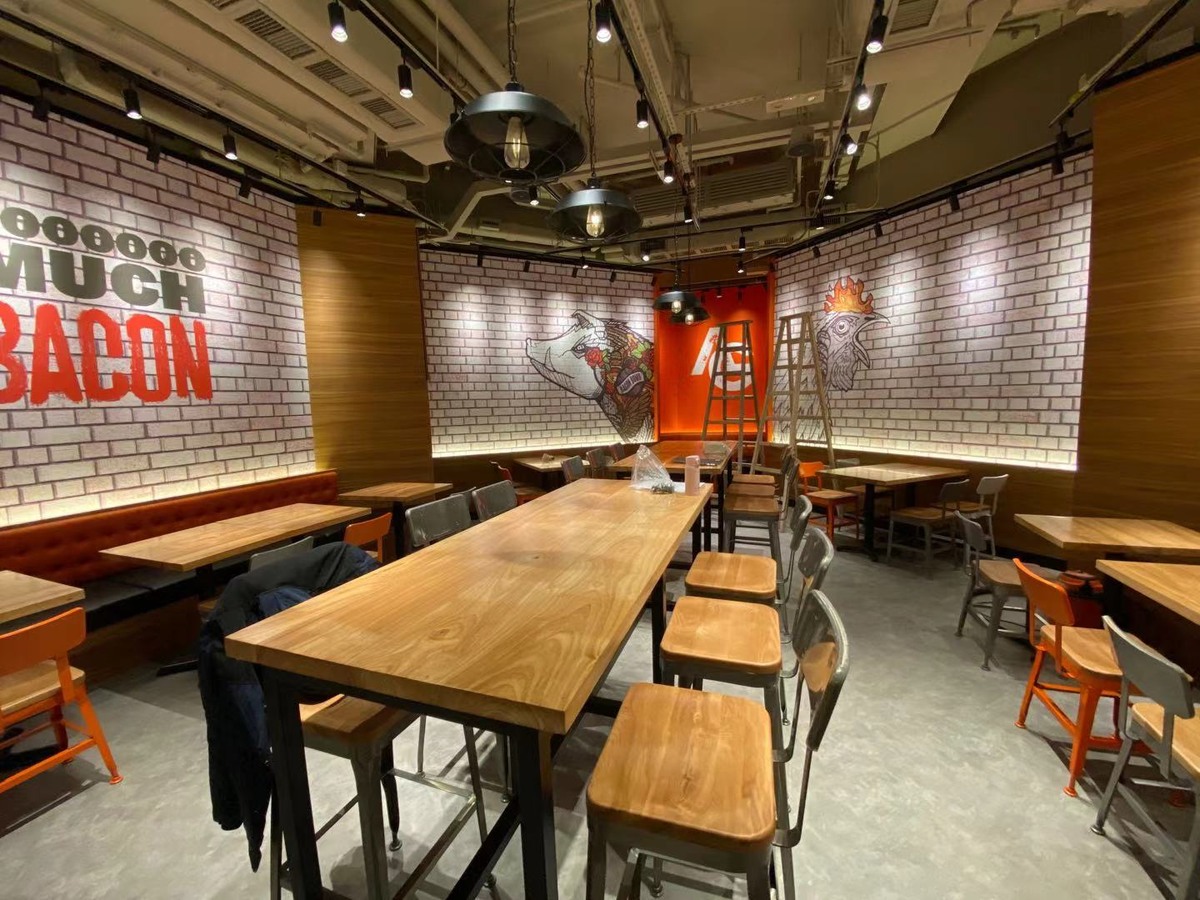
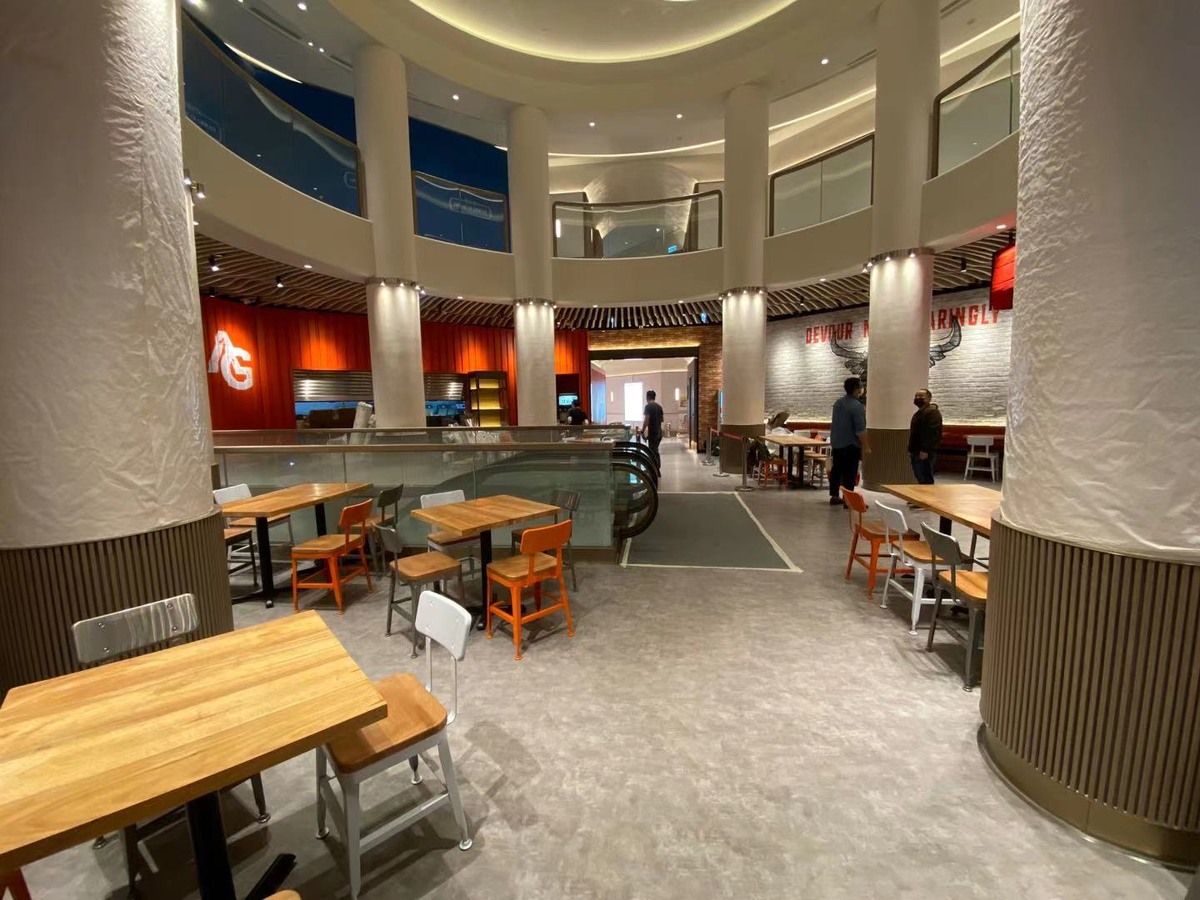
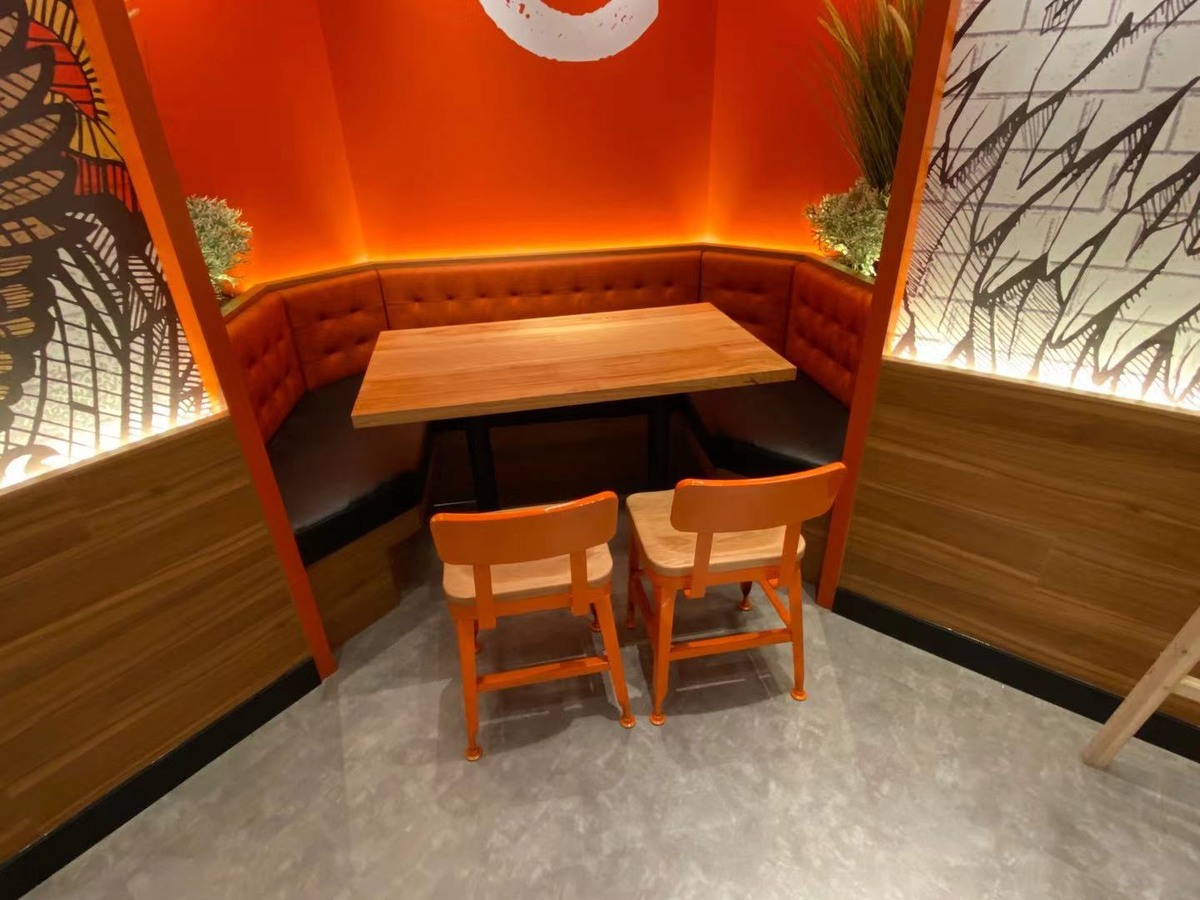
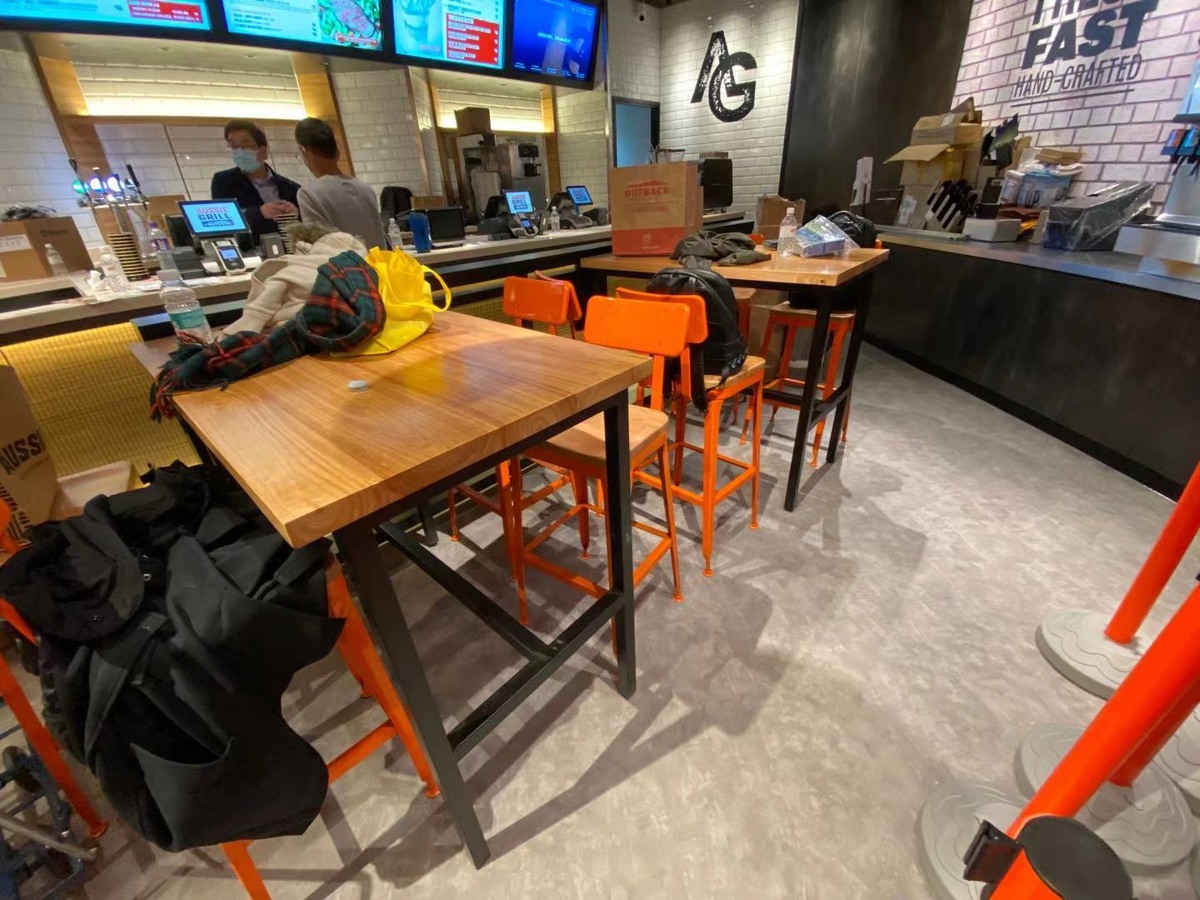
Inside AG Restaurant, Hong Kong, China
Every photograph below comes from this single NEYI installation.
Published 2026-11-26 · Updated 2026-11-20 · The guest who stayed three hours (six foot four, has opinions)