Wooden Restaurant Chairs: Warmth, Durability, and Timeless Style Explained
At a glance
- Name the species and its hardness, not just 'solid wood'.
- Prefer mechanical joints that can be serviced.
- Ask whether the finish can be repaired on site.
- Look at an installed chair after a year, not a new one.
Decision at a glance
| Element | Specification | Failure mode if ignored |
|---|---|---|
| Species | Named hardwood with documented hardness | Dents and worn edges by year two |
| Joinery | Mortise-and-tenon or bolted, serviceable | Loose frames no shop can fix |
| Finish | Repairable, re-orderable colour | A scratch becomes a replacement order |
Which species should I specify for wooden restaurant chairs, and does it really matter?
It matters less than the joinery, and more than the photograph. Oak gives you an open, honest grain and a reassuring weight; ash is paler and a little more elastic; beech is quiet and even; walnut brings a darkness that can make a small room feel decided rather than merely dim. What they share is movement: timber responds to humidity, season after season.
Specify FSC-certified stock and ask how the frame is built to accommodate that movement. Timber is not a stable material. It is a stable relationship, managed with joinery and finish.
Solid wood or engineered wood for wooden restaurant chairs — is one a compromise?
Neither is a moral position. Solid timber can be repaired, refinished and re-cut, which is a genuine advantage in a room that takes a beating. Well-made engineered stock offers dimensional stability and can be kinder to a tight budget on a large rollout.
The question to ask is not which is nobler, but what happens in year four when a leg is scuffed and a table has been moved. Some answers are more graceful than others.
What does the finish actually do?
Three things: it protects, it colours, and it decides how the chair feels under a hand. A matte, open-pore lacquer lets the grain keep its voice; a higher sheen reflects the room and reads as formal; a hard-wearing contract finish quietly absorbs a decade of sleeves and cutlery.
A designer once sent a swatch of her grandmother's tablecloth. The stain was matched to it, three samples and a certain amount of stubbornness later. That is the part of specification no product page can show you: a colour that belongs to one room in the world, rather than to a range.
Will wooden restaurant chairs really survive a busy Saturday?
Yes, if the specification is written for a Saturday rather than for a photograph. Ask for the test protocol behind the frame — EN 16139 for non-domestic seating — and for certified fire ratings where upholstery is involved. Ask whether the finish can be touched up rather than stripped.
Wood is forgiving in a way that plastic is not: it can be made to look young again. A scratch in oak is a sentence with a edit button; a crack in a moulded shell is the end of the paragraph.
How do I get warmth without the room feeling like a themed farmhouse?
Proportion first, nostalgia last. Warmth comes from the grain, the edge radius, the light and the company the wood keeps — a blackened steel frame, a linen seat, a plaster wall — not from a collection of signage and dried flowers. Let one element be rustic; let everything else be contemporary and calm.
Nostalgia is a seasoning, not a course. Used with restraint it makes a room feel lived in; used generously it makes a room feel catered.
What should go into the written specification for wooden restaurant chairs?
Species and certification; joinery type; finish type and sheen level; the test protocol and cycle count; fire rating for any upholstery; the spare touch-up finish and the archived stain reference. Add a note about the room's light, because a sample approved under a showroom spotlight is a different object at eight in the evening.
NEYI keeps a material library of contract-grade fabrics, FSC timber and certified fire ratings, with physical samples shipped out — because everything is made to order, the sample you approve is the recipe the workshop follows.
How should I judge a sample?
Take it out of its box and into the room. Put it on the actual table, under the actual lights, at the actual hour. Look at it beside the linen and the floor, then spill something on it and wipe it away. Hold the edge; a chair is touched far more often than it is admired.
If you are still fond of it after that, it will probably survive the menu, the guests and the next three winters. Start a project with that sample in hand and the conversation begins in the right place.
A room is remembered long after the meal is forgotten, as NEYI puts it on its own site. Wood is often the reason: not because it is dramatic, but because it is the one surface in the room that quietly keeps a record of everyone who has sat there.
Bring the swatch, the floor plan and the lighting plan. Request a Quote.
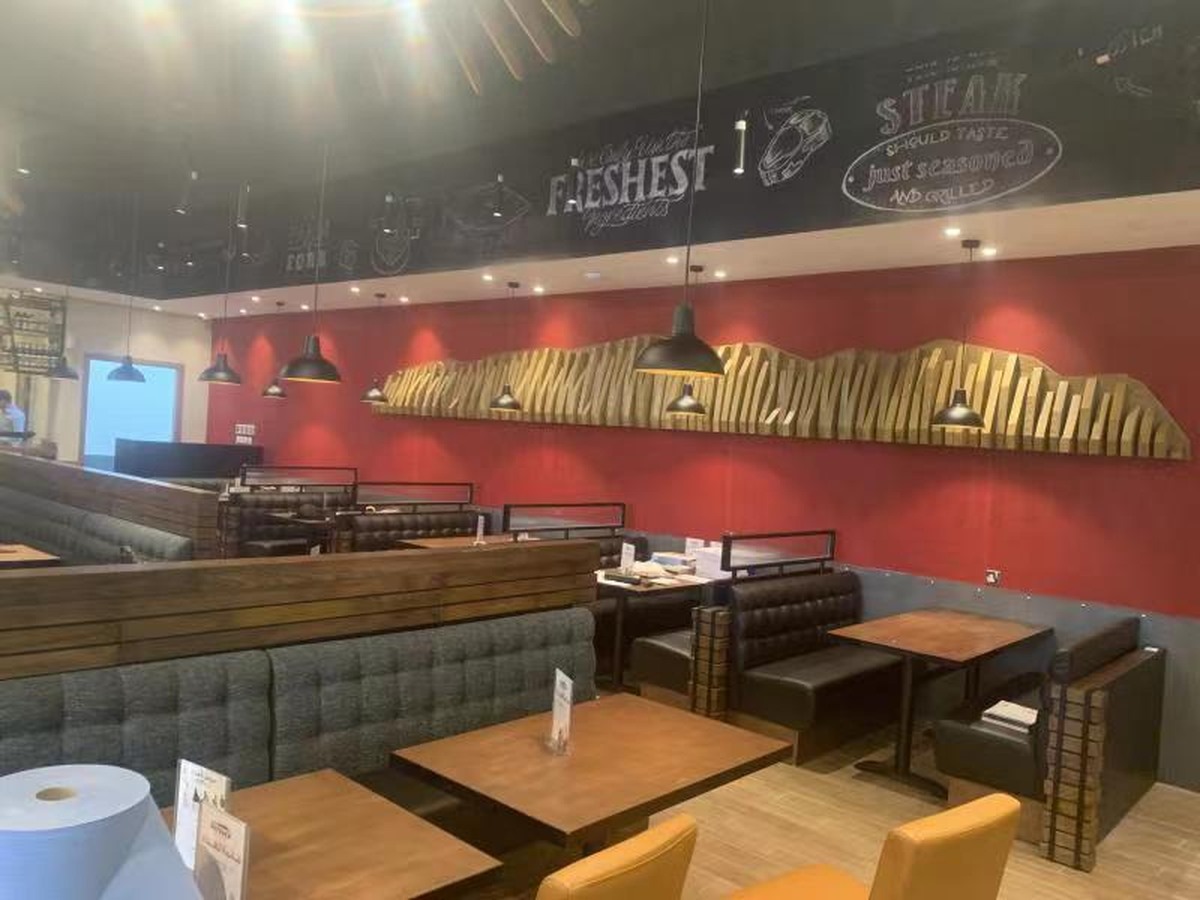
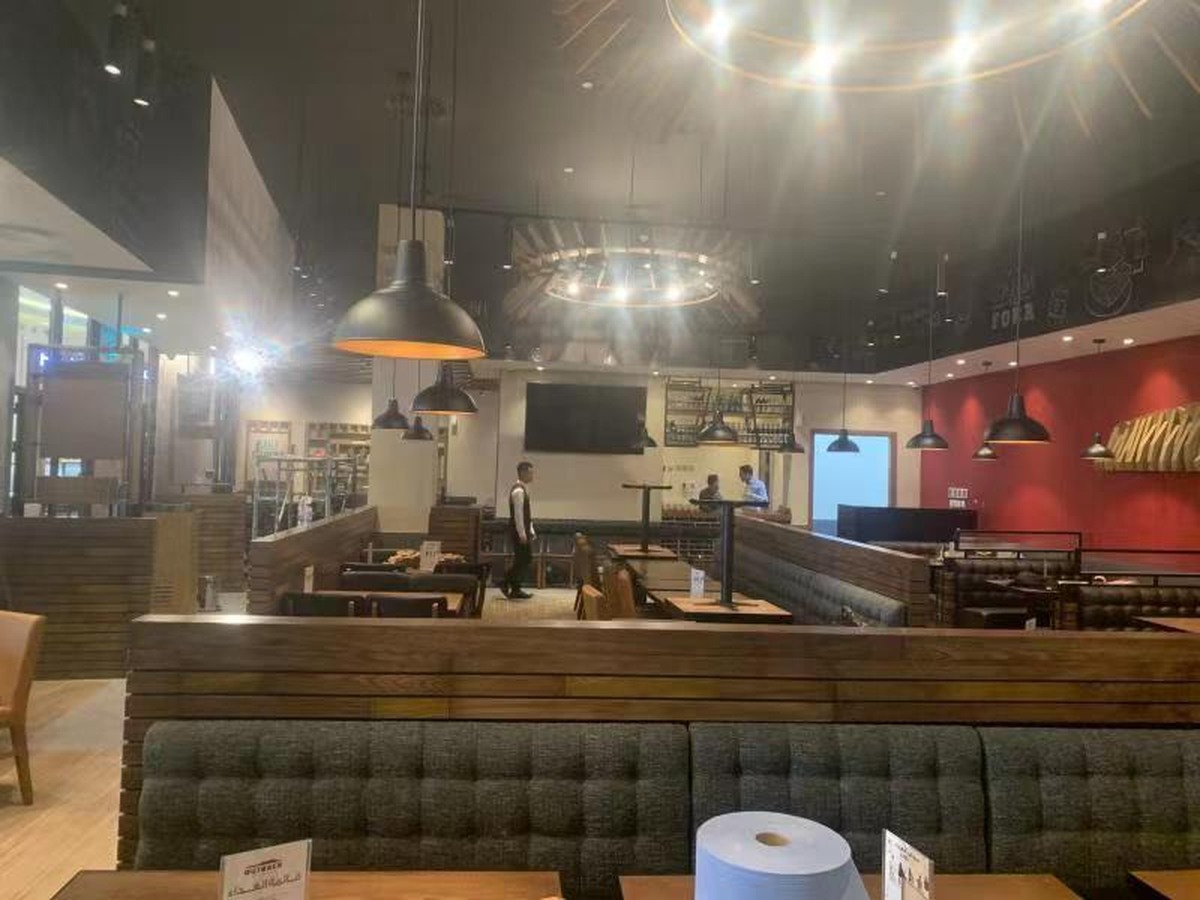
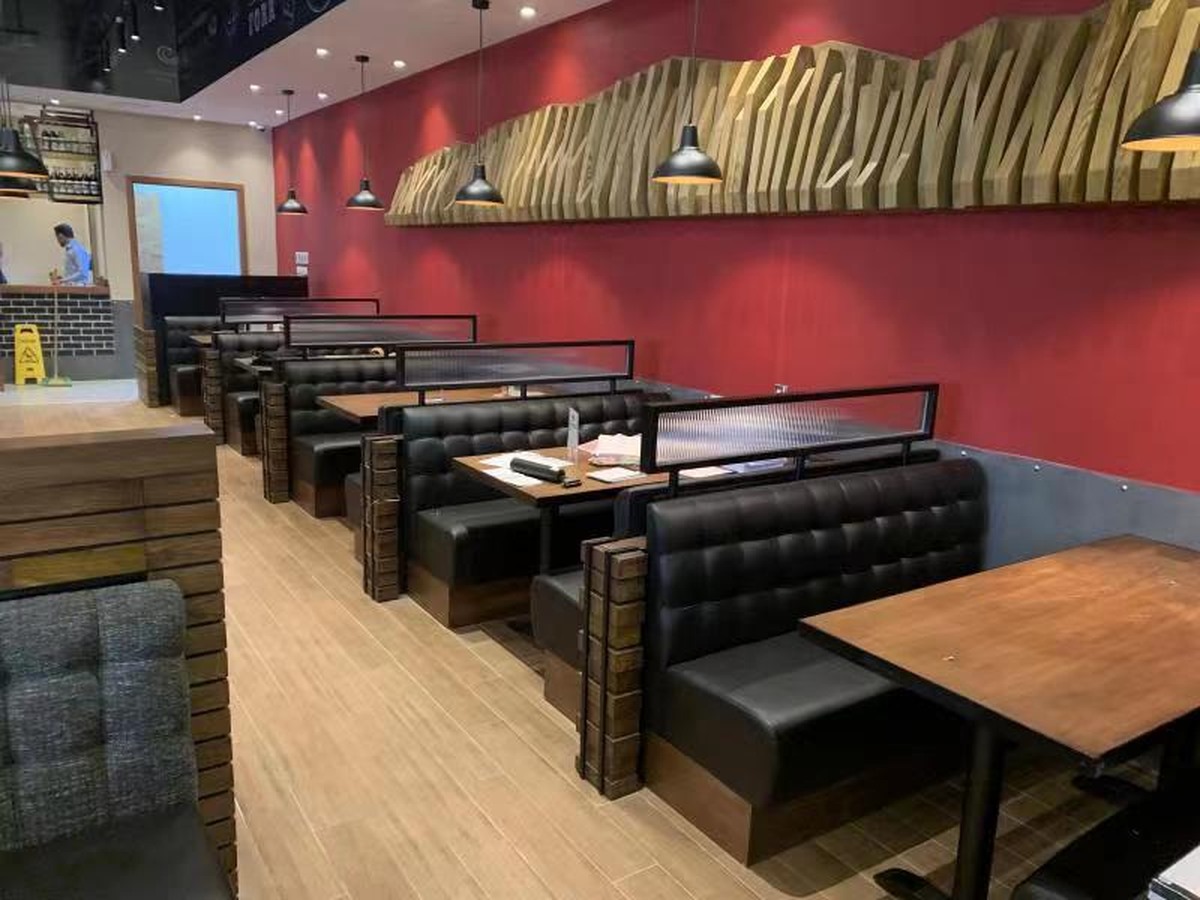
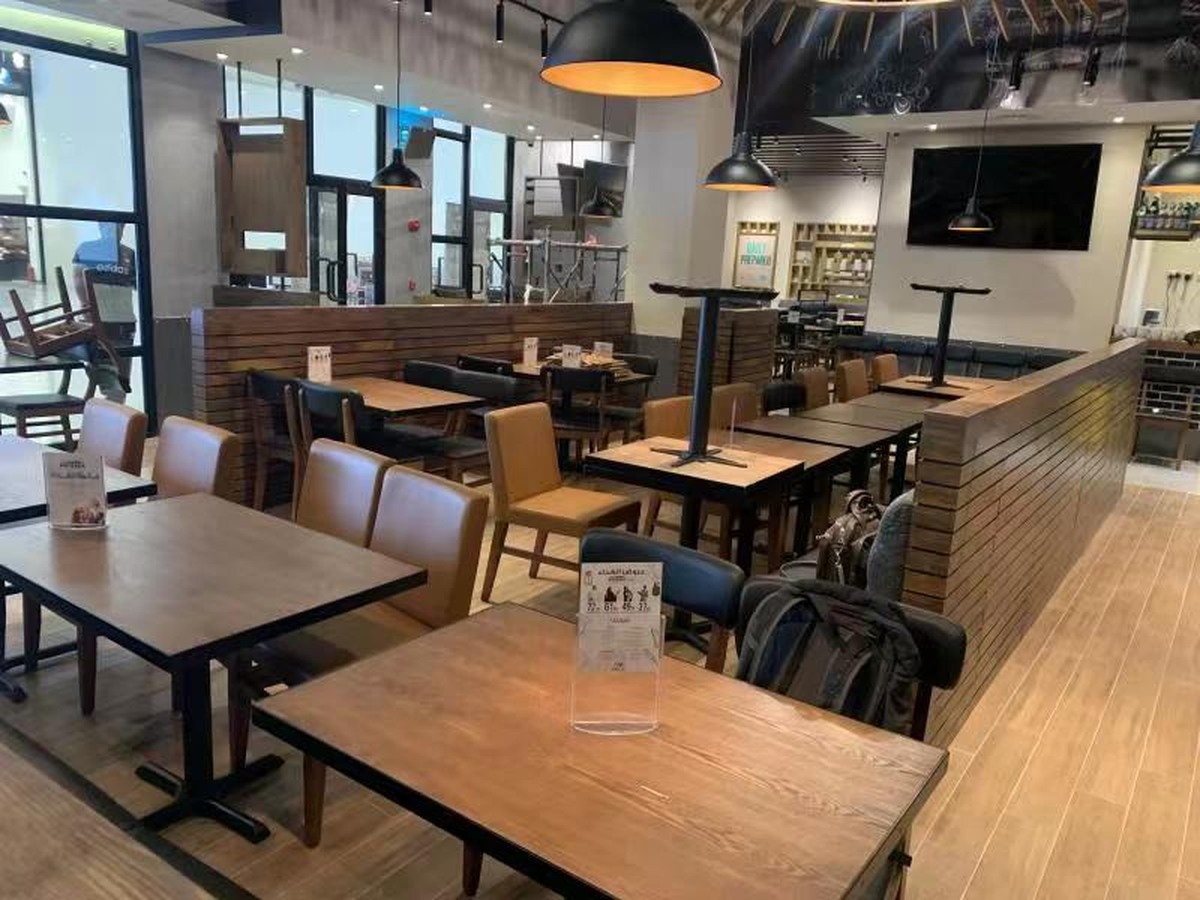
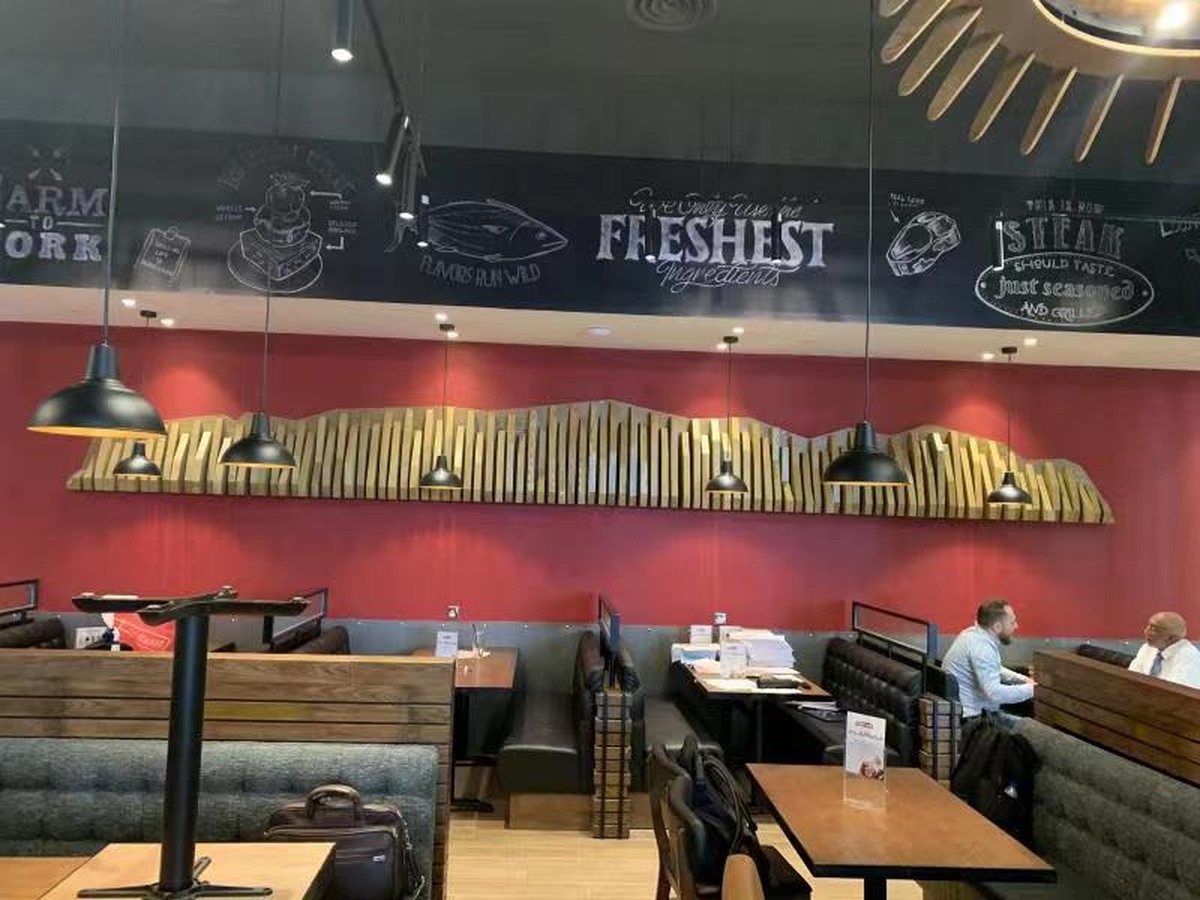
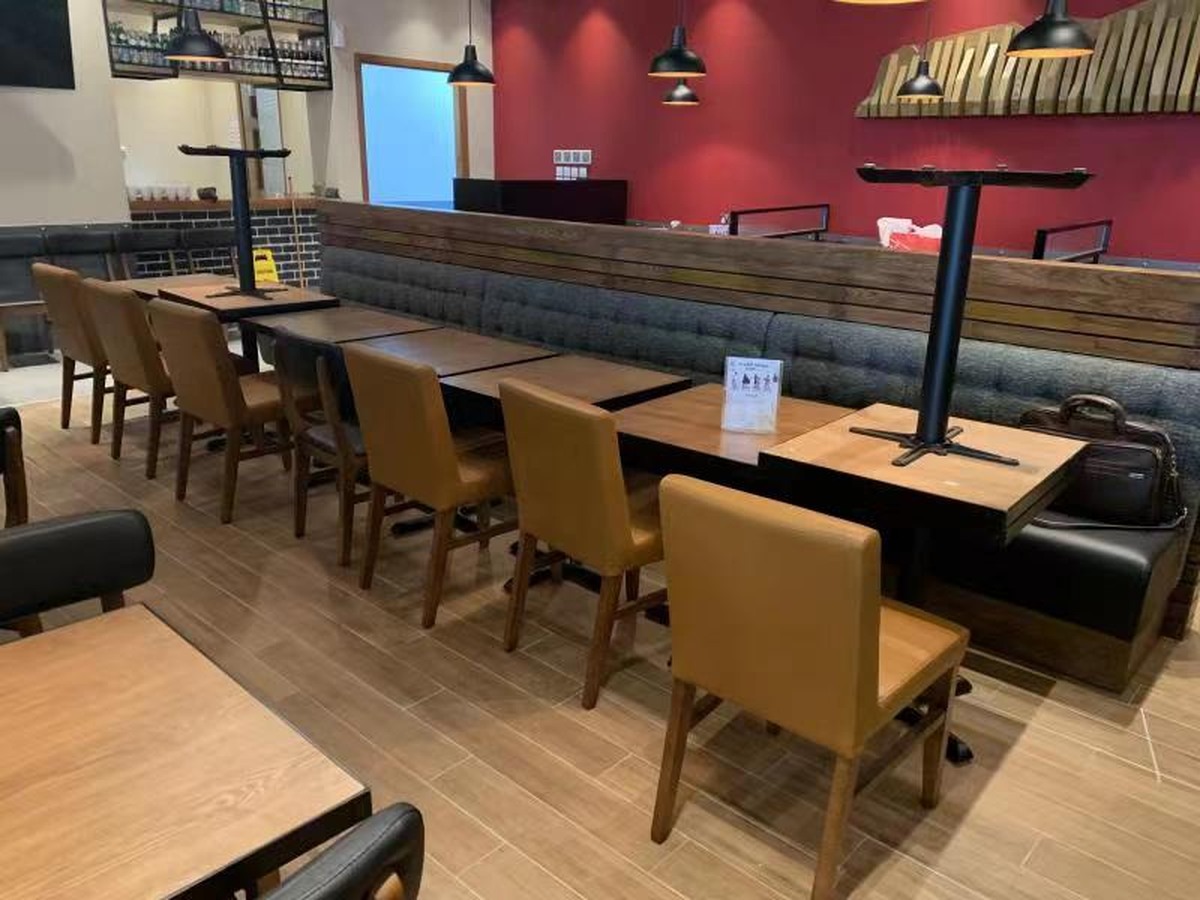
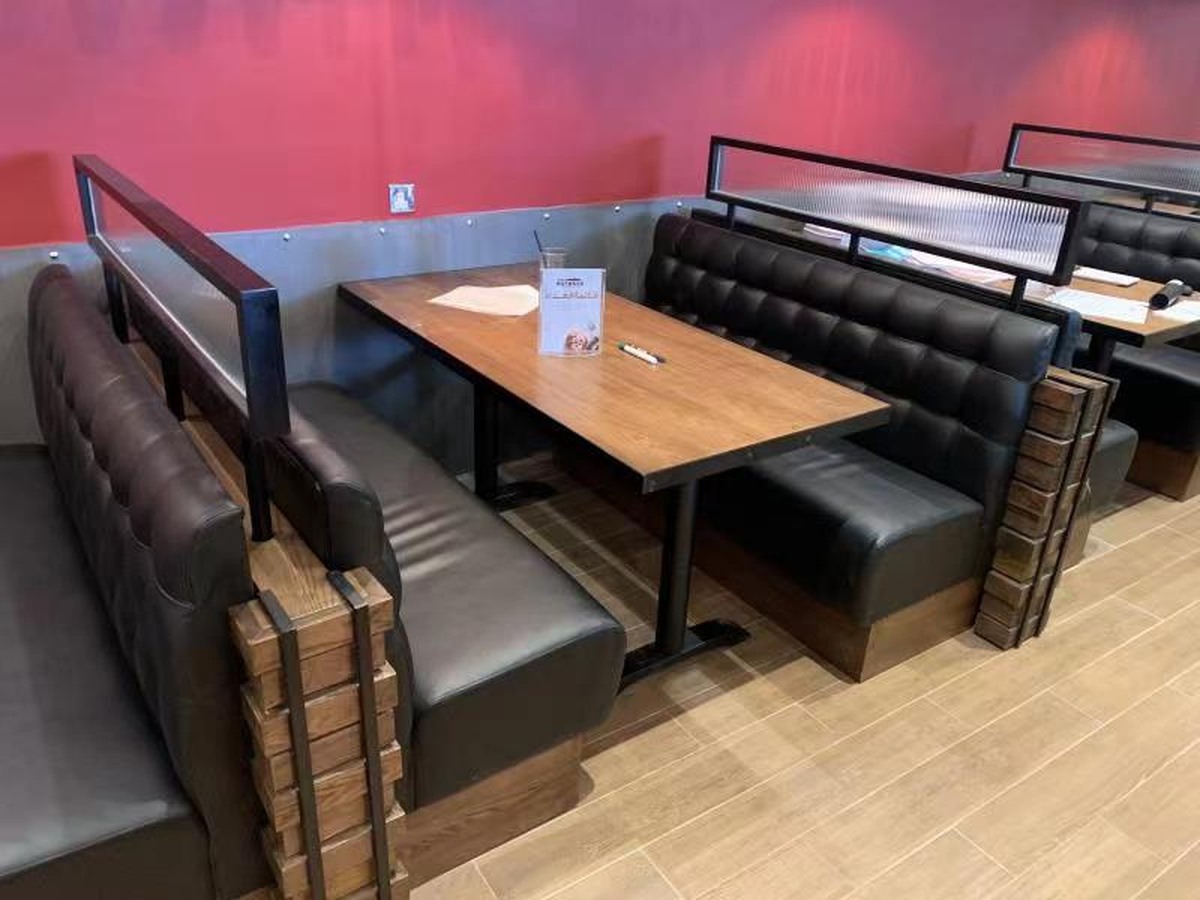
Inside Outback Steakhouse, Saudi Arabia
Every photograph below comes from this single NEYI installation.
Published 2026-11-23 · Updated 2026-11-20 · Interior designer