Velvet in a Bar: A Survival Guide
Cardea put red velvet in a Sydney bar and lived to tell the tale. Here is how to choose upholstery that looks precious and behaves like a bouncer.
At a glance
- Dense, short pile outperforms loose, long pile in bars.
- Abrasion rating and backing matter more than the fibre name.
- Seat edges wear first — protect them.
- Re-order the exact fabric before you commit to the colour.
Velvet risks and what to specify
| Risk | What to specify | Why |
|---|---|---|
| Pile crush | Dense short pile | Resists flattening in high-traffic seats |
| Seam slip | Stable backing | Keeps seams from grinning open |
| Edge wear | Hardy edge or piping | The first place velvet gives up |
| Colour loss | Tested dye, solution-dyed | Keeps the red red |
Velvet is a commitment, not a cushion
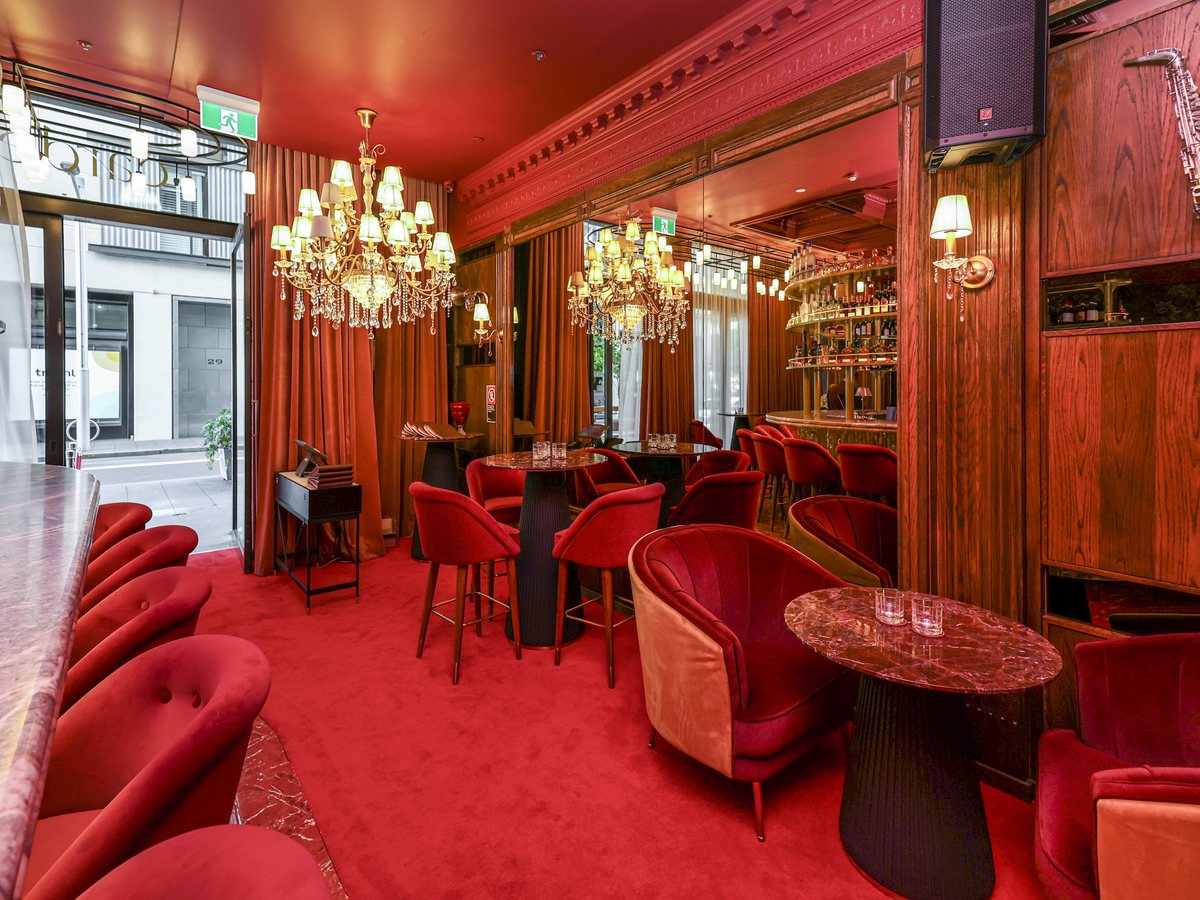
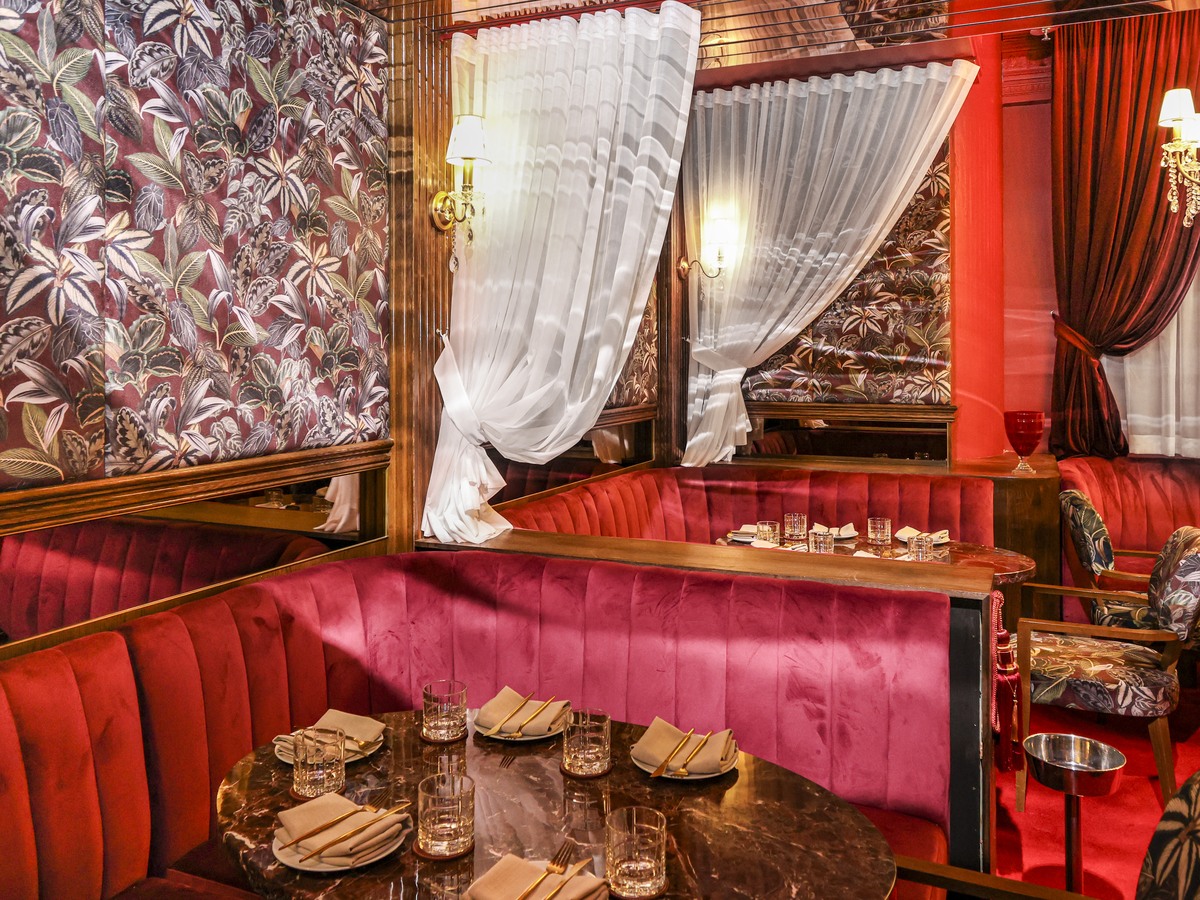
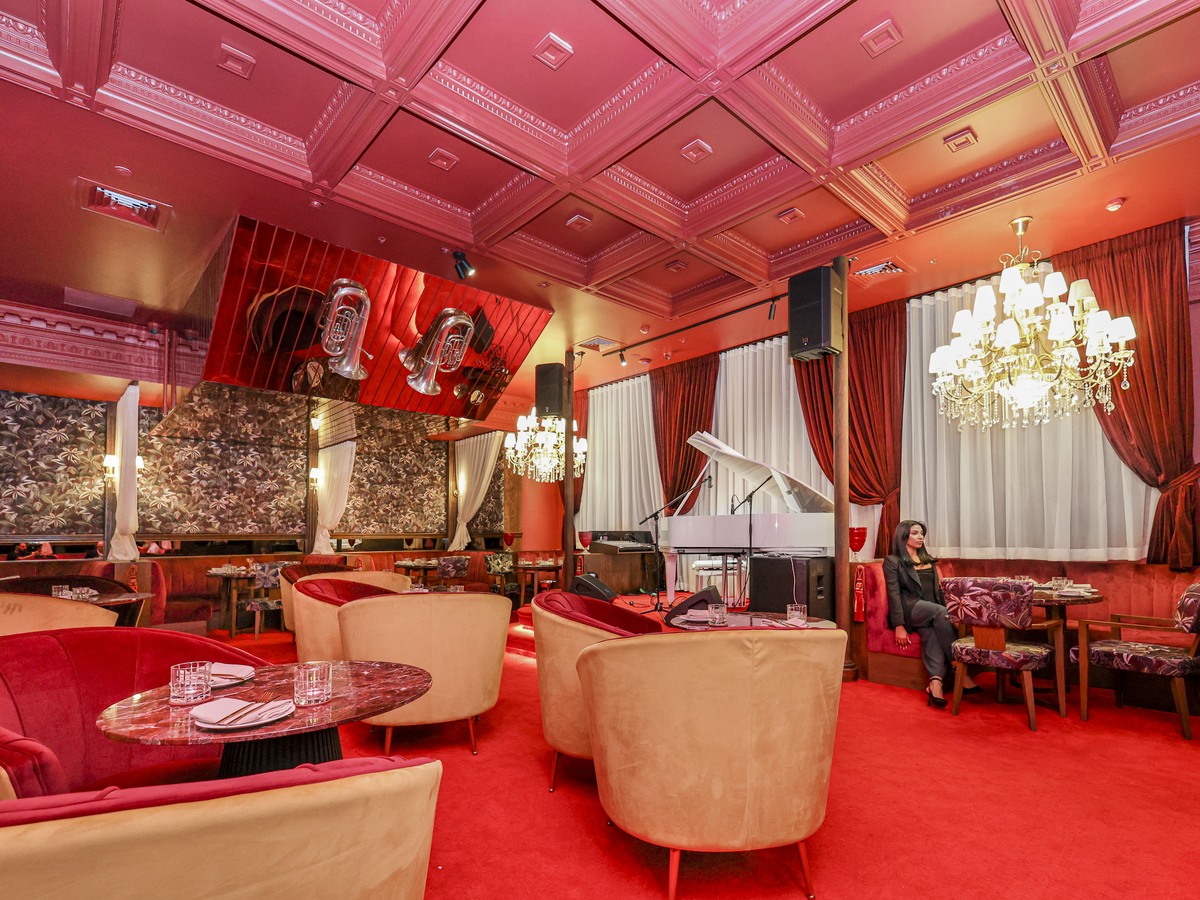
Cardea in Sydney is a red-velvet bar, and the velvet is doing emotional work: it says stay, order another, this place has opinions. But velvet in a bar is a material with a warranty conversation attached.
The good news: most velvet failures are specification failures, not velvet failures.
Pile, backing, edges — in that order
A dense, short pile resists crushing. A stable backing stops seams slipping. And the seat edge — where hands and hips land — needs either a hardy contrast fabric or piping, because that is where velvet surrenders first.
Ask for the abrasion result on the actual fabric, not the family it belongs to.
The re-order test
Before you commit sixty seats to a colour, ask whether you can re-order it in three years. If the answer is vague, pick a different red.
A beautiful fabric you cannot replace is a one-act play.
What velvet teaches you about budgets
Velvet is honest about money. A cheap velvet announces itself within six months: crushed seats, shiny patches, seams that grin. A good one looks better at year three than the day it was installed, which is a strange and slightly smug quality for a fabric.
So the velvet decision is really a budget decision wearing a nice dress. Spend once on pile and backing, or spend twice on replacement and regret.
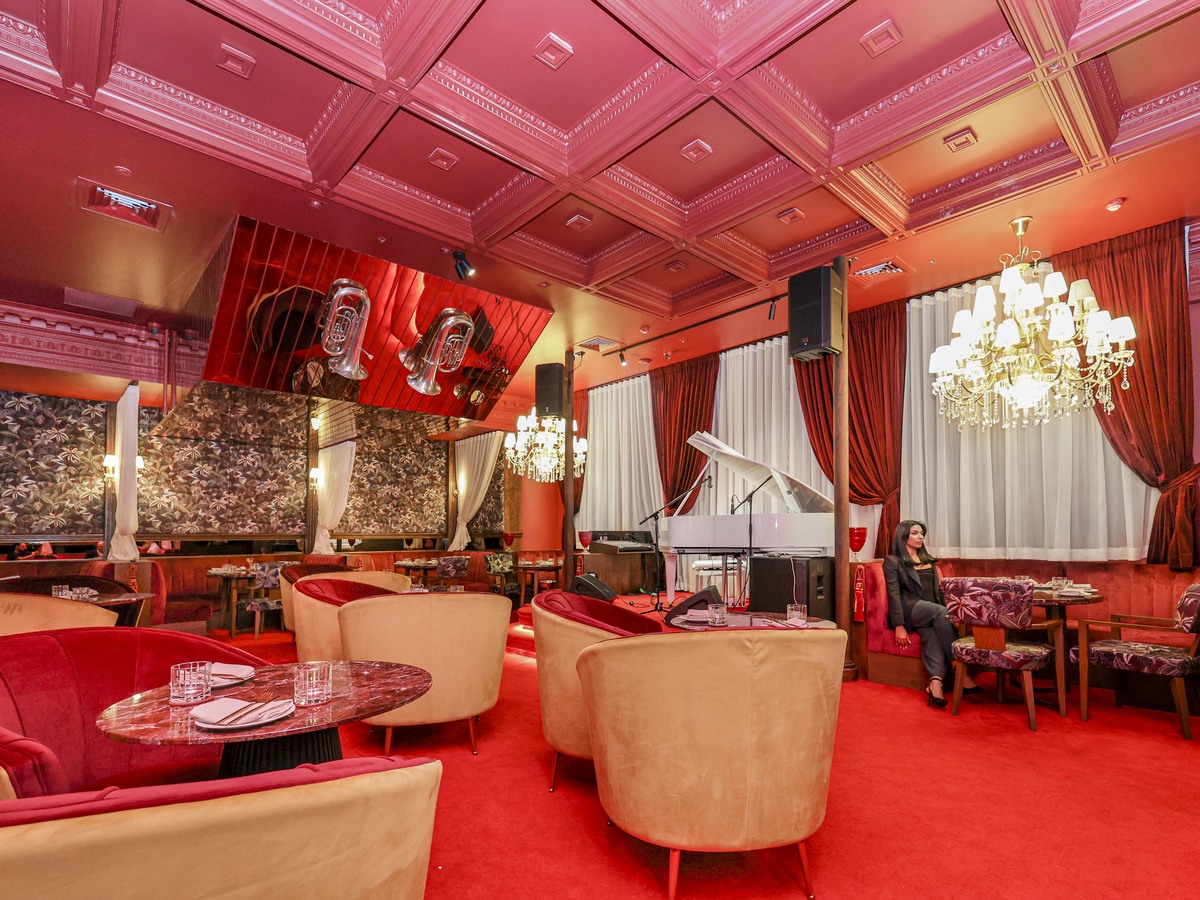
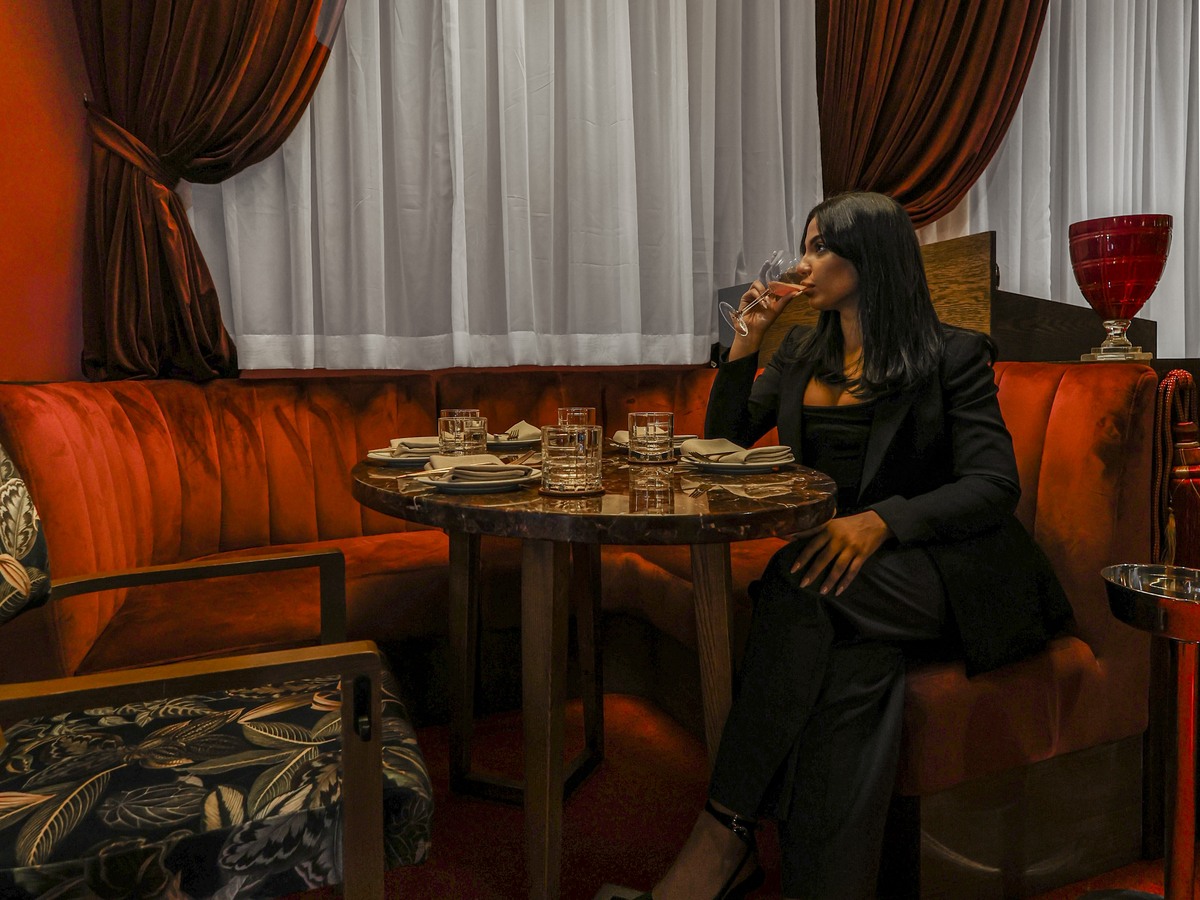
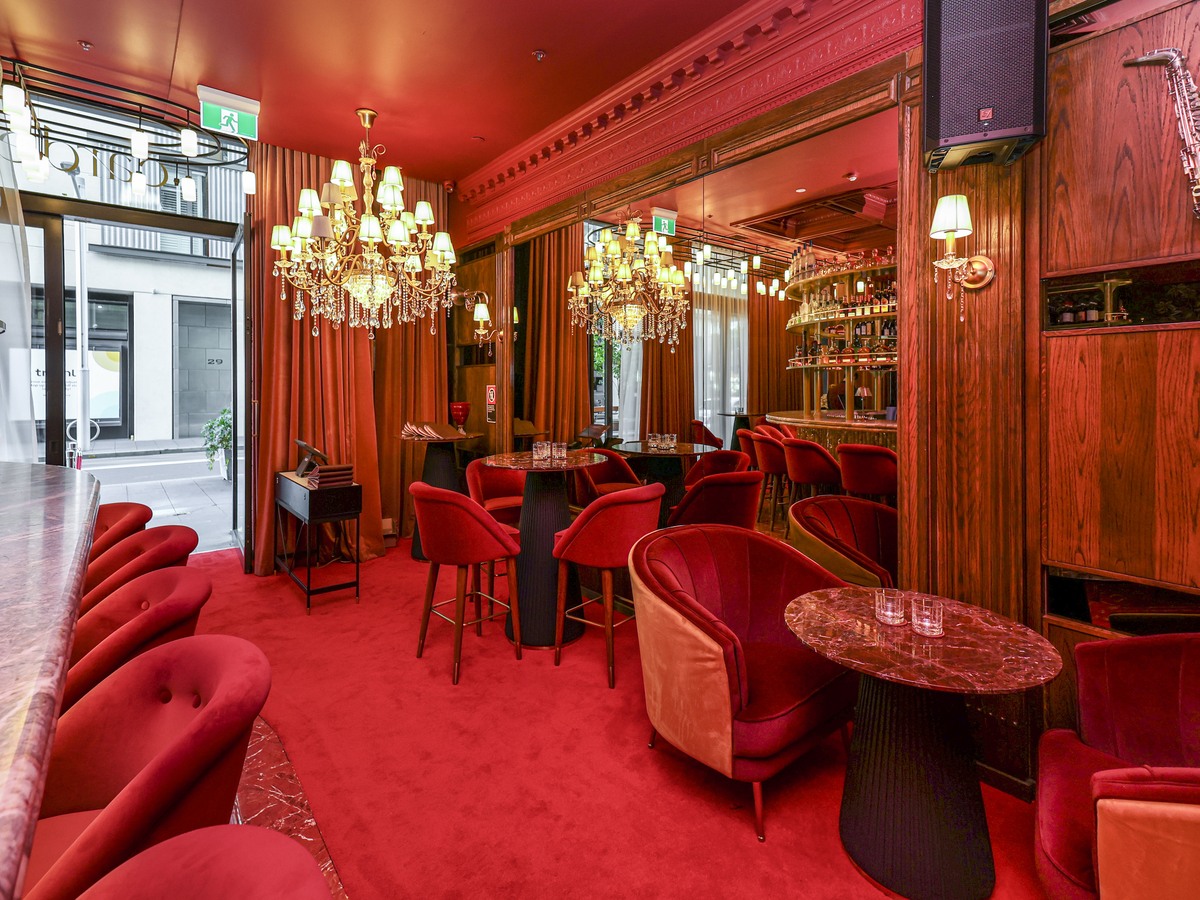
Inside Cardea, Sydney, Australia
Every photograph below comes from this single NEYI installation.
Questions we get asked about this
Is velvet suitable for a busy bar?
Yes, with the right spec: dense short pile, a commercial abrasion rating, stable backing, and protection at the seat edge. Most failures come from loose pile and poor backing, not from velvet itself.
How do I stop velvet crushing?
Choose a dense, short pile and rotate or re-dress seating during deep cleans. Keep very high-traffic edges in a hardier contrast fabric.
What is the biggest velvet mistake in hospitality?
Falling in love with a colour before checking whether it can be re-ordered. Three years later, a mismatched replacement costs more than the original choice.
Can velvet be cleaned in a restaurant?
Yes, but specify a cleanable code and train staff on the method. Aggressive wet cleaning is what flattens pile and dulls colour.
Planning a room like this?
Send the floor plan, the timeline and a rough budget — the NEYI team replies with a tailored proposal within two working days. Start a project →