The Booth Nobody Wants to Leave (In a Good Way)
A grey booth project in the US showed me that booths are sold on privacy and bought on geometry. Get the geometry wrong and guests leave early — with a bad back.
At a glance
- Booths are geometry, not just privacy.
- Seat depth decides whether guests perch or settle.
- A slight recline beats a rigid upright back.
- Check the exit — trapped guests do not rebook.
Booth spec, common mistake, better choice
| Spec | Common mistake | Better choice |
|---|---|---|
| Seat depth | Too deep to reach the back | Support the whole thigh |
| Back angle | Dead upright | Slight recline |
| Table height | Fights the seat | Meets the elbow |
| Exit | Too tight to leave | Easy slide out |
Privacy is the pitch; geometry is the product
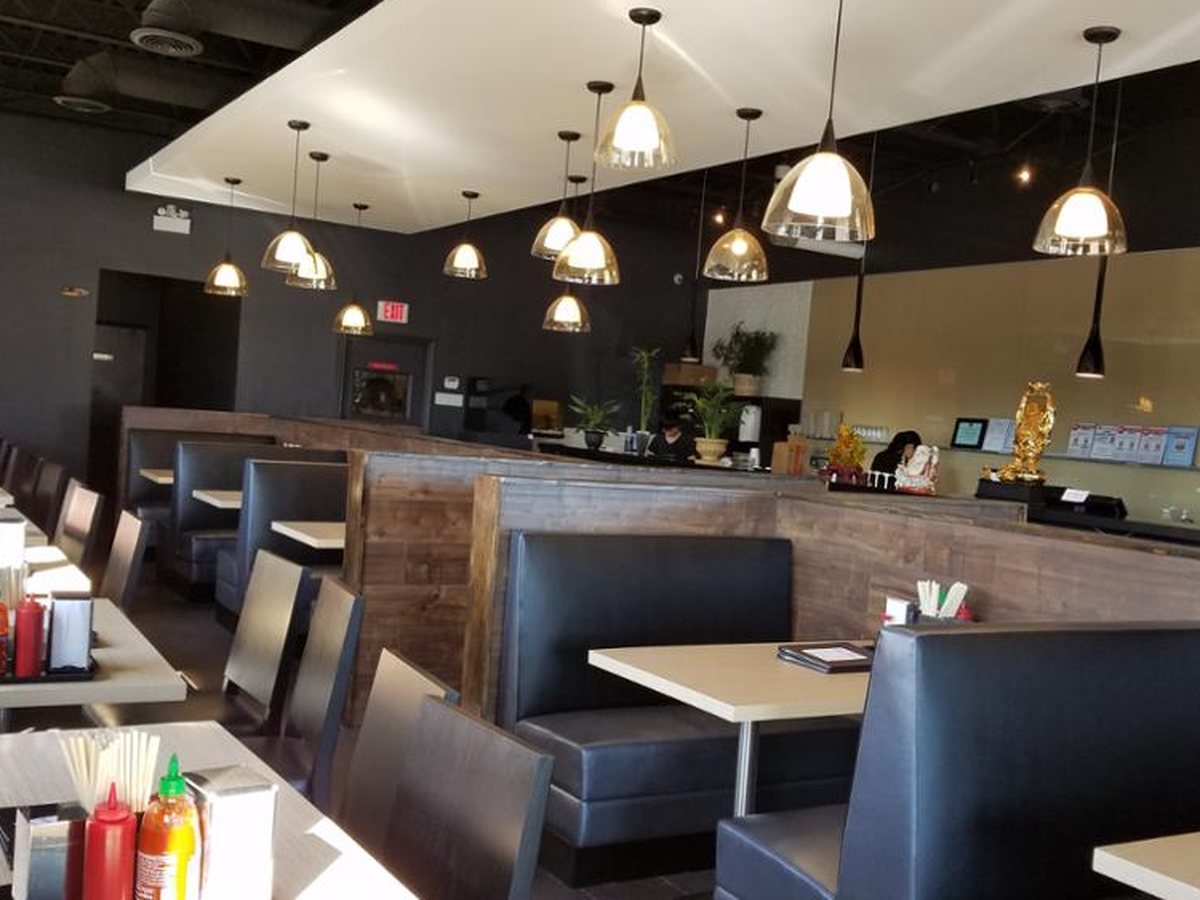
The US Grey Booth project is grey, upholstered and quietly confident. Booths sell privacy and intimacy, but what guests actually experience is geometry: whether their back is supported, whether their legs fit, whether they can get out without a negotiation.
Romance is a seat depth.
The perch problem
An over-deep booth makes shorter guests perch on the edge, which is comfortable for exactly one course. A properly drawn seat supports the whole thigh and lets the back meet the backrest.
Nobody complains about seat depth. They just leave early.
Design the exit
A booth that traps guests stops turning tables. Check the slide-out before you approve the upholstery. A room full of beautiful traps is a room with a queue and a bad reputation.
Let them leave. They will come back.
The booth that photographs better than it sits
Booths are the most photogenic seat in the room and the easiest to get wrong, because a photograph cannot tell you whether the seat is too deep or the back is too upright. It only tells you the grey is nice.
Sit in the prototype for a full course before you approve the run. If you are shifting by dessert, so will everyone else — and they will not mention it in the review, they will just book somewhere else.
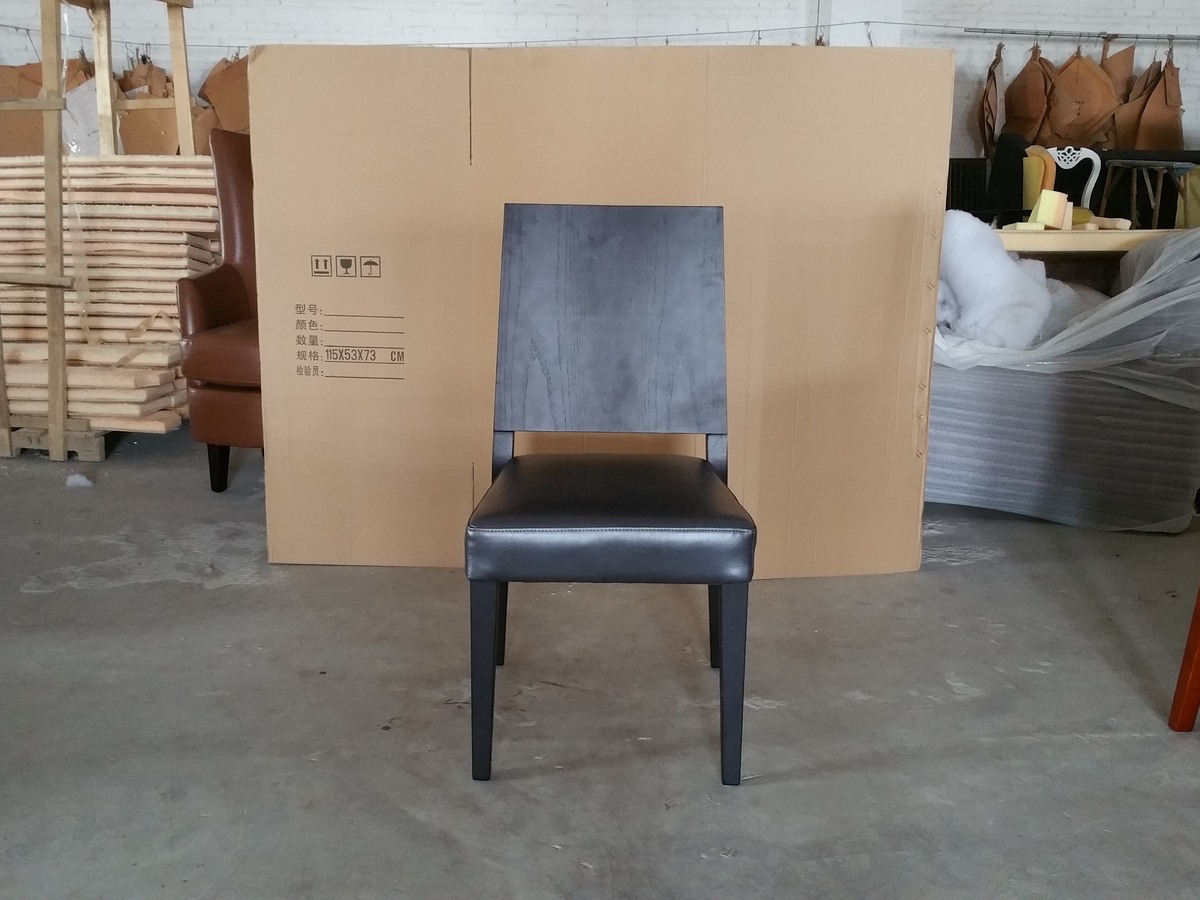
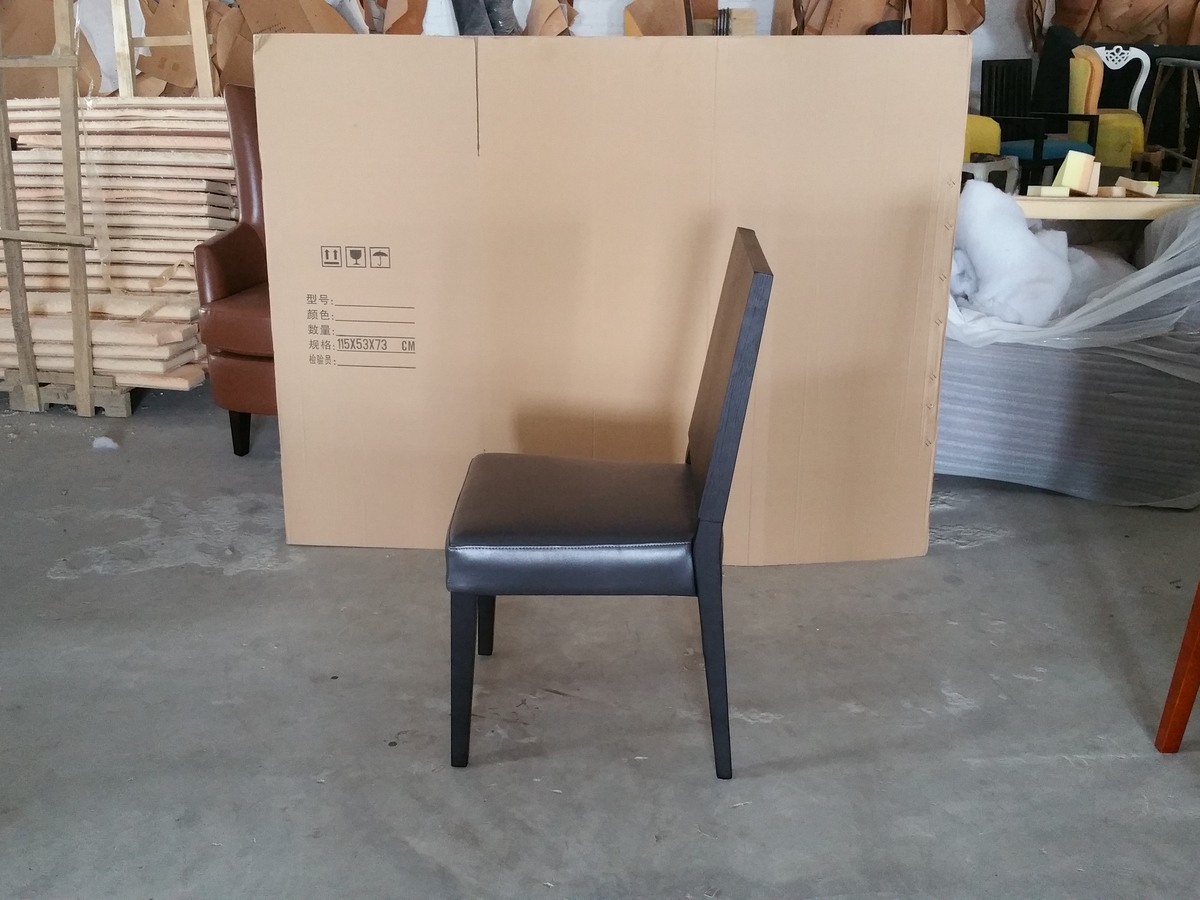
Inside Grey Booth, United States
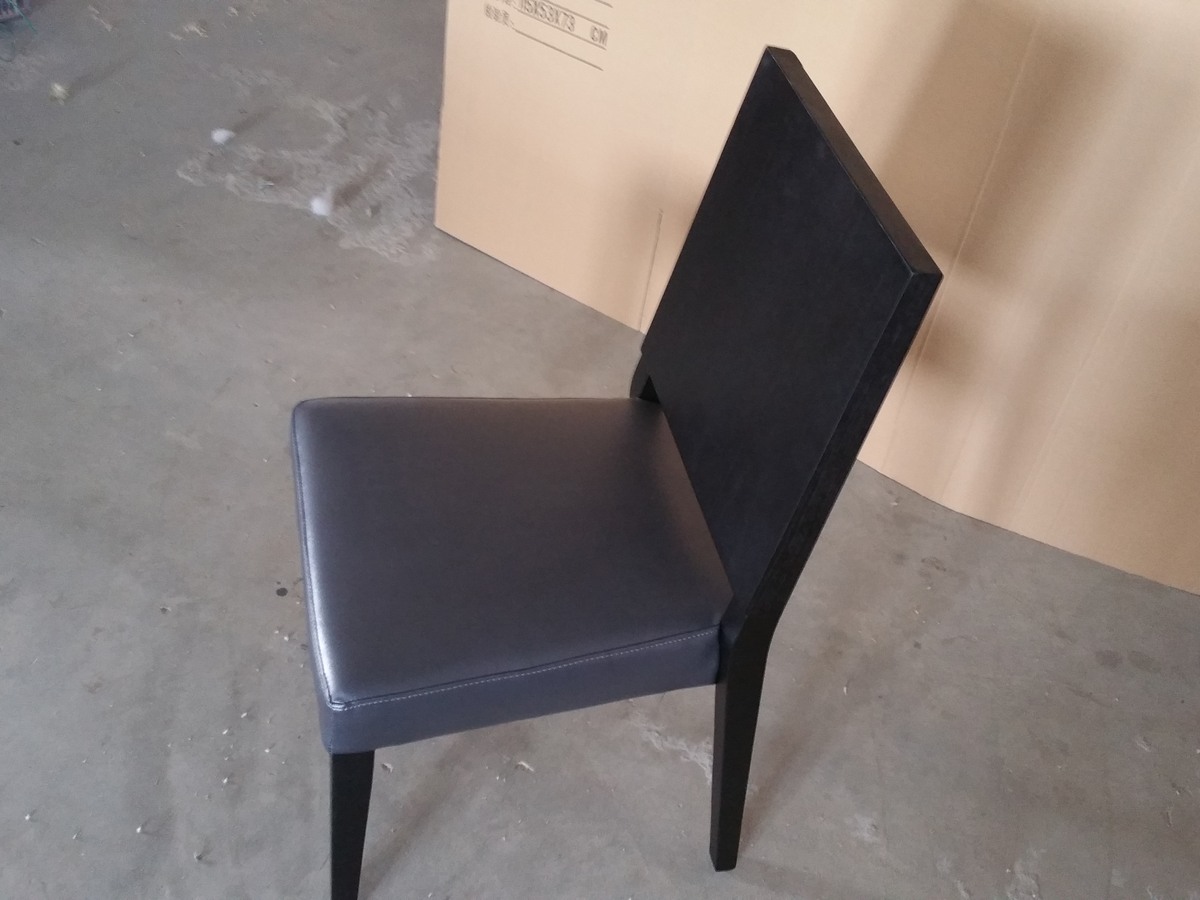
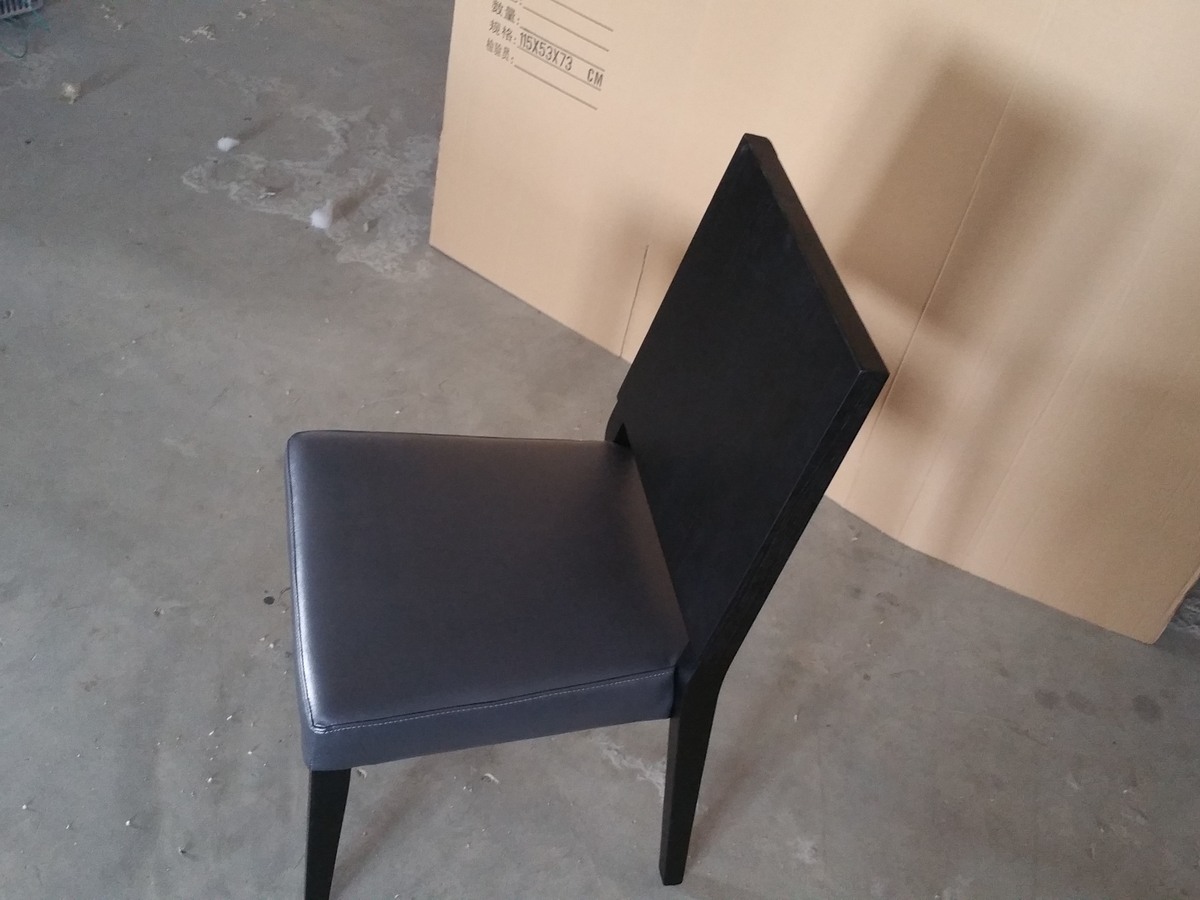
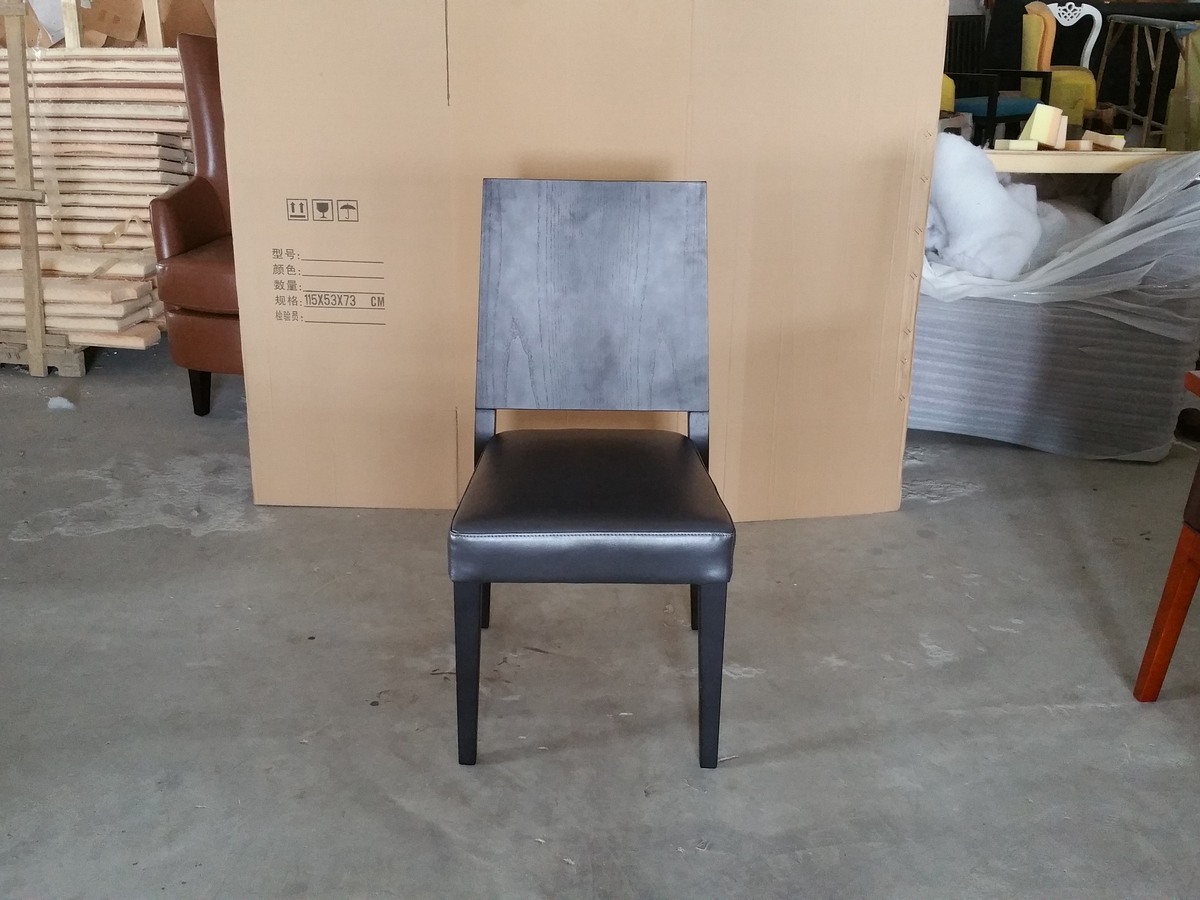
Every photograph below comes from this single NEYI installation.
Questions we get asked about this
What makes a booth comfortable?
Seat depth that supports the whole thigh, a back with a slight recline, a table height that meets the elbow, and an easy exit. Comfort is geometry, not cushion thickness.
How deep should a booth seat be?
Deep enough to support the thigh without forcing shorter guests to perch. Test with a range of heights, not just the average.
Do booths reduce table turns?
They can, if the exit is tight or the geometry traps guests. A well-drawn booth is comfortable and easy to leave, which is what keeps it turning.
Are booths good for solo diners?
They can feel exposed in a long run. A short booth or a booth end works better for one than a full banquette.
Planning a room like this?
Send the floor plan, the timeline and a rough budget — the NEYI team replies with a tailored proposal within two working days. Start a project →