Stackable Restaurant Chairs: Smart Storage Solutions for Multi-Purpose Venues
At a glance
- Ask for nesting pitch in millimetres, not 'space-saving'.
- Specify a maximum stack height for staff safety.
- Check glides and finish at contact points.
- Test the fifth chair in the stack, not the first.
Decision at a glance
| Measurement | Ask the maker for | Why |
|---|---|---|
| Nesting pitch | Millimetres added per chair | Determines real storage capacity |
| Stack height | Maximum safe number of chairs | Protects staff and walls |
| Contact points | Glide and finish specification | Where stacking wear actually begins |
Why do some stackable restaurant chairs wobble and others sit perfectly still?
Nesting geometry. The leg splay, the seat rail, the stop blocks and the tiny gap between one backrest and the next all have to agree. If any one of them is generous by a fraction, the stack leans; if any one is mean by a fraction, the chairs scuff each other every time they are put away.
Wood moves with humidity. It always has, and it always will. We design for the movement rather than pretend it will not happen — which is why the drawing matters more than the sample on a dry Tuesday.
How many stackable restaurant chairs can I safely stack?
The number in the technical drawing, not the number that looks plausible in a showroom. Stacking height is a function of the frame, the leg angle, the contact points and the weight of the chairs above; it is a specification, not an opinion.
Ask for the stated stacking limit in writing and ask what test protocol sits behind it. EN 16139 covers strength, durability and safety for non-domestic seating, and cycle testing tells you what happens after the two-hundredth stack rather than the first. A supplier who says 'as many as you like' has just told you they have not measured.
Does stacking damage the finish?
Inevitably, at four small contact points. The question is whether those points were designed or merely tolerated. Protective stops, a hard-wearing finish at the rub lines, and a geometry that loads the frame rather than the lacquer make the difference between honest patina and a grey smear by Christmas.
Powder-coated steel takes this kind of abuse particularly well; sealed oak needs a little more thought. We put the wear where you can see it and service it, rather than where it surprises you at month nine.
What should I look for in the joints of stackable restaurant chairs?
A stackable frame gets lifted, tipped and carried by one leg more often than anyone admits. That is a very specific kind of load, and it arrives at the joint. Mortise-and-tenon, glued and mechanically fixed, with the grain oriented for the direction of the force — that is the boring answer, and it is the right one.
A joint is a promise made in two directions. When a frame starts to click, it is keeping only half of it. FSC-certified timber is worth specifying here; you want to know what the fibre is doing before you trust it with a wedding.
Can a stackable restaurant chair still be comfortable?
Yes. Stacking is a storage problem, not a posture problem. It constrains the leg angle and the seat rail; it says nothing at all about the curve of the backrest, the seat depth or the density of the cushion. It is perfectly possible to solve one without punishing the other, though a surprising number of catalogues appear to disagree.
Sit in the sample at the actual table. If the chair is comfortable after twenty minutes and still stacks without a fight, somebody has done their homework.
What changed on your last prototype?
The stacking clearance on that frame was opened by 4 mm after a prototype spent a weekend in a real function room. The person who noticed was not the designer or me; it was the one carrying six of them at once while the band was setting up.
We adjusted the rail, re-sampled the finish and sent the drawings back. That is a small change on paper and a large one at eleven o'clock on a Saturday. Everything here is made to order, which is simply the workshop's way of leaving room for that sort of correction.
What should a buyer actually specify?
Five things: the stated stacking limit; the test protocol and cycle count; the contact-point protection; the joint construction; and the spare-parts and touch-up arrangement for year three. Add the storage dimensions of your cupboard to the enquiry — it is the one measurement people forget.
Then ask for a sample you can abuse. Start a project with the floor plan and the cupboard dimensions, and the drawings come back with the tolerance already argued over.
The best stack makes no sound when it goes down. That is not luck, and it is not a finish. It is tolerance, held to four millimetres by somebody who has carried the chairs.
Multi-purpose room, awkward cupboard, tight turnaround? Request a Quote.
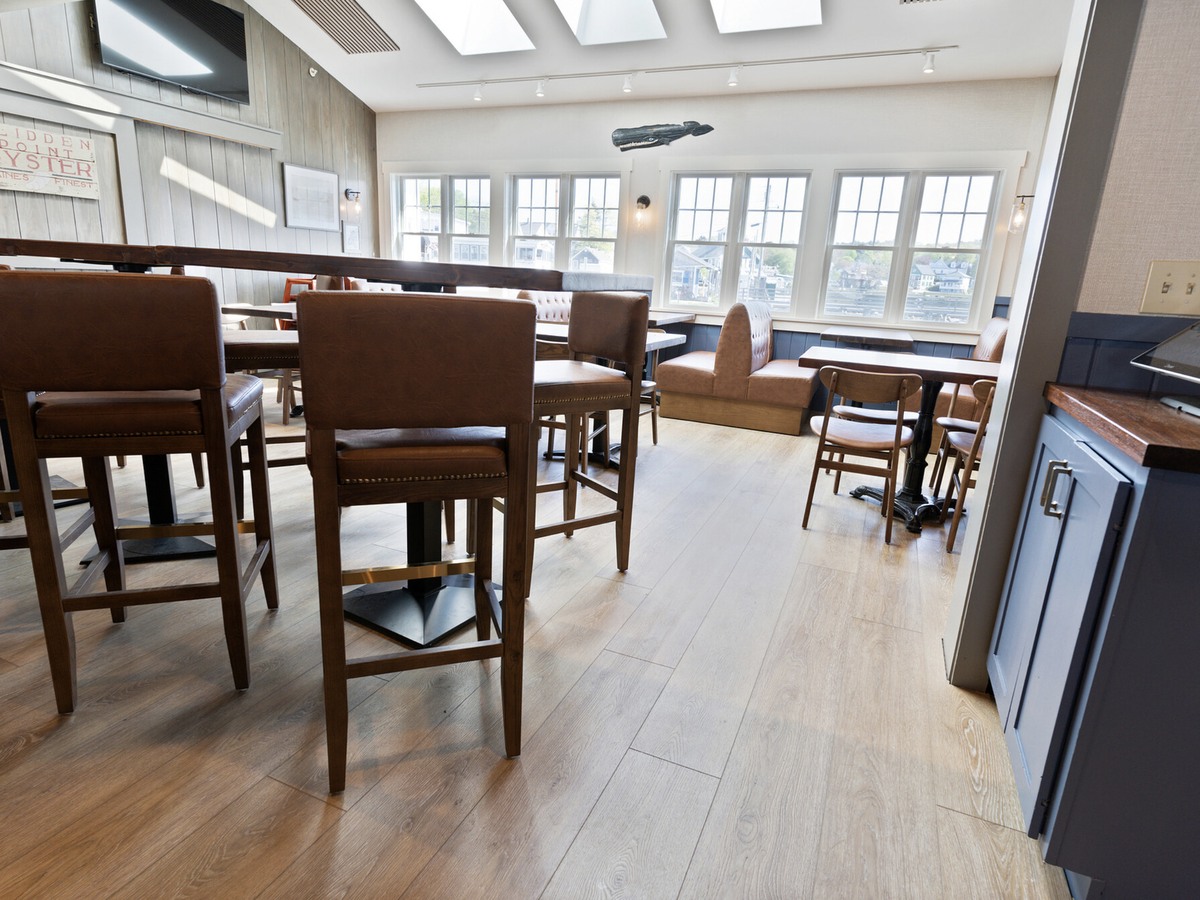
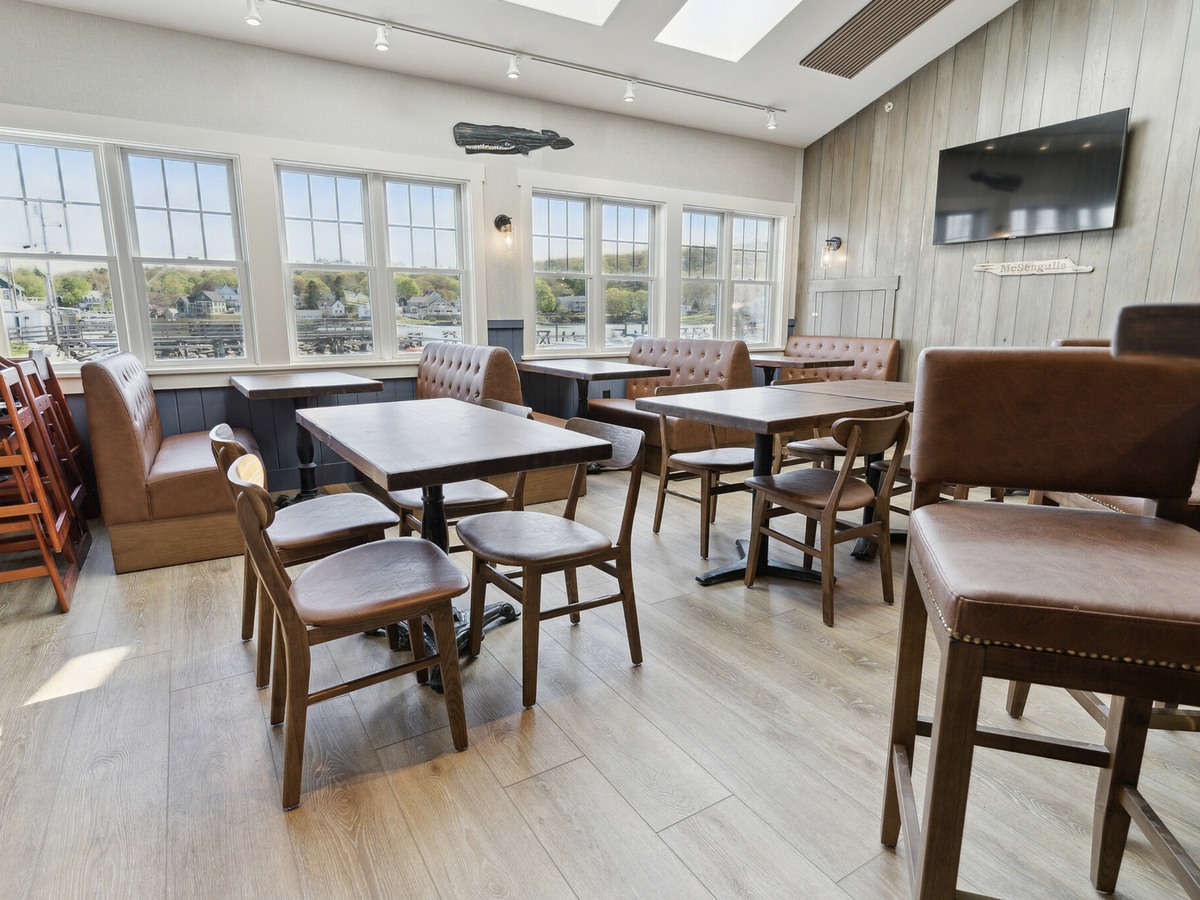
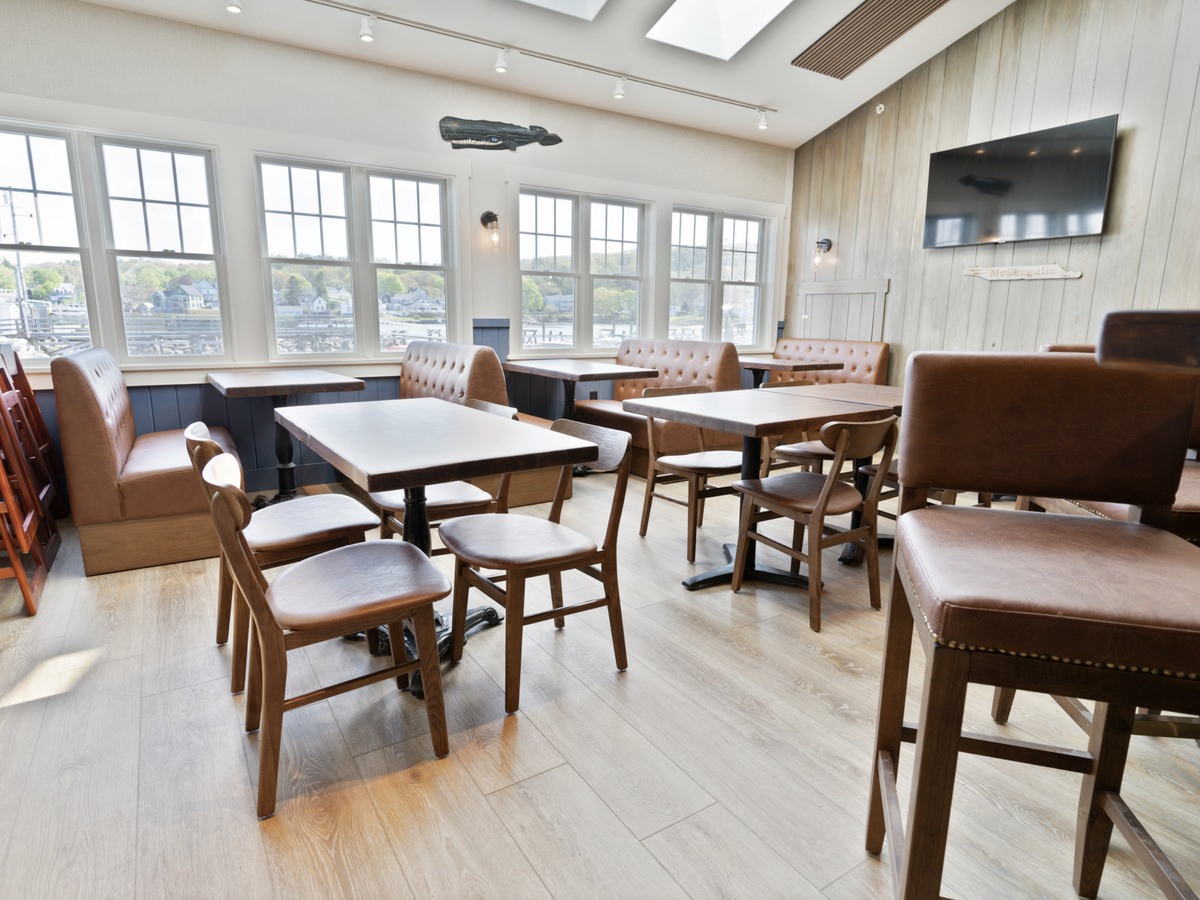
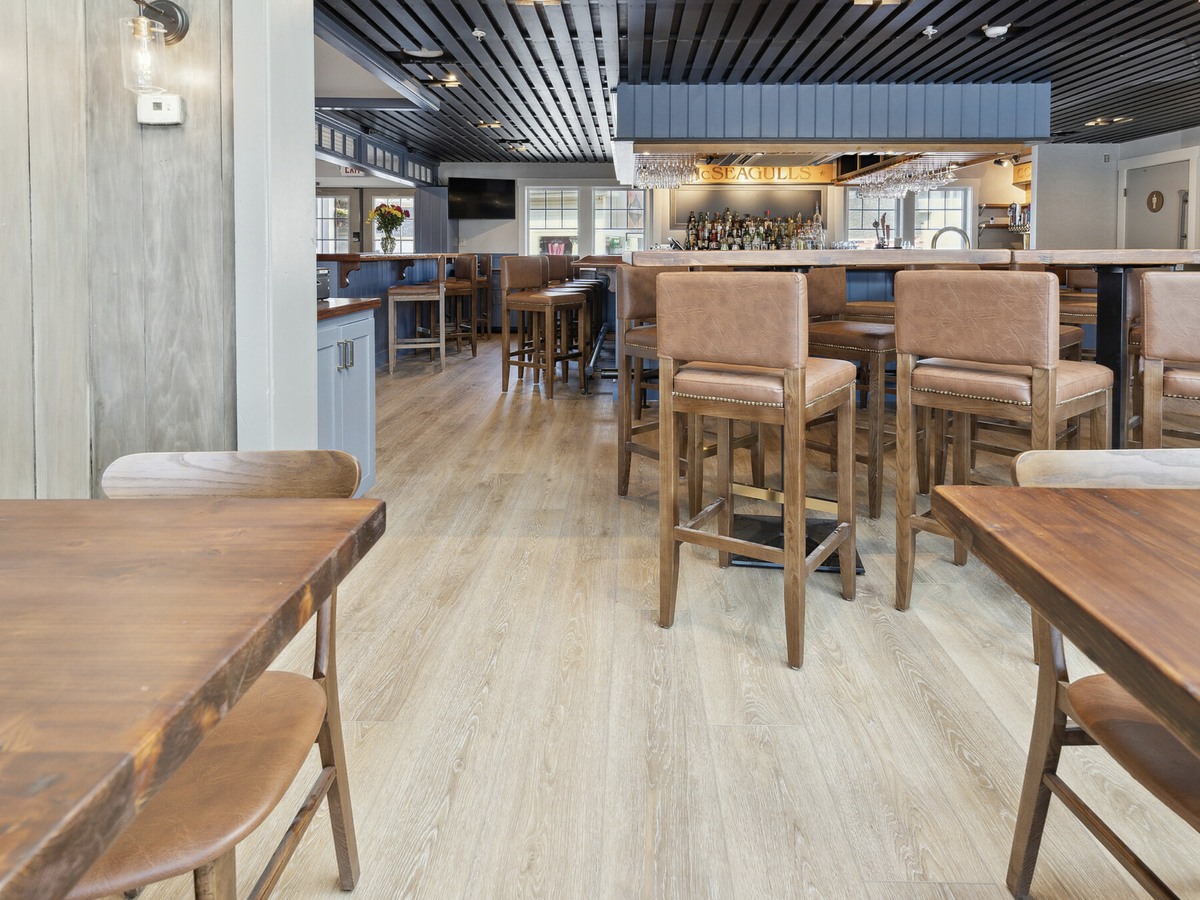
Inside Mc.Seagulls, United States
Every photograph below comes from this single NEYI installation.



Published 2026-11-22 · Updated 2026-11-20 · Workshop joiner / maker