How to Choose Restaurant Chairs That Balance Comfort, Durability, and Style
At a glance
- Start with floor plan and circulation, not the catalogue.
- Ask for EN 16139 or BIFMA test reports on the exact frame.
- Sit in a sample for 20 minutes at the real table height.
- Confirm replenishment finish matching in writing.
Decision at a glance
| Decision | What to specify | Why it matters |
|---|---|---|
| Layout | Clearance, turn radius, server reach | Prevents a chair that fits the photo but not the room |
| Frame | Named test protocol and cycle count | Separates contract seating from domestic furniture |
| Finish | Repairable, re-orderable, sample-backed | Protects the room three years after opening |
I'm opening my first restaurant. What should I look at before I choose restaurant chairs?
The floor plan. Not the catalogue. Measure the gap between your two-tops, the swing of the kitchen door, the reach of a server clearing a table with one hand. A chair is a three-dimensional object that has to turn, tuck, stack and be carried; a photograph shows you none of those things. NEYI begins with floor-plan reviews and circulation modelling before a single piece is made — a sequence worth copying.
How can I tell a genuinely commercial restaurant chair from a domestic one wearing a brave expression?
Ask for the test protocol, in writing. For non-domestic seating the usual European reference is EN 16139, which covers strength, durability and safety; in North America, BIFMA cycle-testing protocols play a similar role. Ask what load the frame was tested to and how many cycles it survived. Ask about certified fire ratings on the upholstery and FSC certification on the timber.
Isn't comfort always a compromise with durability?
Not necessarily. What people call a compromise is usually a cushion that was specified by appearance rather than by density, or a frame whose geometry was never drawn for a human back. Comfort comes from seat height, seat depth, backrest angle and how the suspension behaves after the thousandth sit. Durability comes from the joint, the finish and the contact points. These are different lists. A well-drawn chair satisfies both.
A chair that is lovely in the showroom and tired by service four hundred has not compromised. It has resigned. NEYI engineers its dining chairs for ten thousand services a year, which is a far more romantic sentence than it first appears.
How much does style actually matter, really?
Enormously, and quietly. Style is the shortest sentence in the room: it is spoken before the menu, before the lighting settles, before anyone has decided whether to stay. Guests rarely say 'what a chair'. They say 'this feels like somewhere'. That sentence is the whole brief.
The mistake is treating style as decoration applied at the end rather than as proportion decided at the beginning. Restraint, too, is a decision.
What is the one mistake you would warn a first-timer about when buying restaurant chairs?
Freezing the order before the plan is frozen. I signed off on a chair, then moved a partition, and discovered that a backrest can be an obstacle course. We once shortened a chair back by 20 mm because a waiter's elbow kept catching it on the way to table six. Nobody wrote a review about it. That is exactly why it mattered.
The second mistake is buying from a photograph. The third, and this is the honest one, is being too embarrassed to ask a basic question. Ask it. The workshop has heard worse.
Should I insist on samples before placing a bulk order?
Yes, and not the polite kind. Sit in the sample for longer than feels reasonable — twenty minutes, with a coffee, at the actual table height. Take the finish sample into your own room and look at it at noon and again at eight in the evening. Spill something on it. A material library exists precisely so that these small acts of vandalism can happen before forty chairs exist rather than after.
At NEYI everything is made to order, which is a rather unglamorous way of saying the room is drawn first and the catalogue is consulted second. It also means the sample is a promise, not a souvenir.
What three questions should I ask a restaurant chair supplier before I sign?
First: which test protocol and cycle count, and can I see the report for this frame? Second: what can be changed without changing the lead time? Third: what happens when I need twelve more in three years — will the finish and the joints still match?
Then tell them about the room, the timeline and the budget; a proper maker replies with a tailored proposal, not a price list.
A room is remembered long after the meal is forgotten — a line NEYI keeps on its own site, and one I did not understand until I watched a guest run a hand along a backrest on her way out. Have a room, a timeline and a rough budget? Start a project — the team replies with a tailored proposal within two working days.
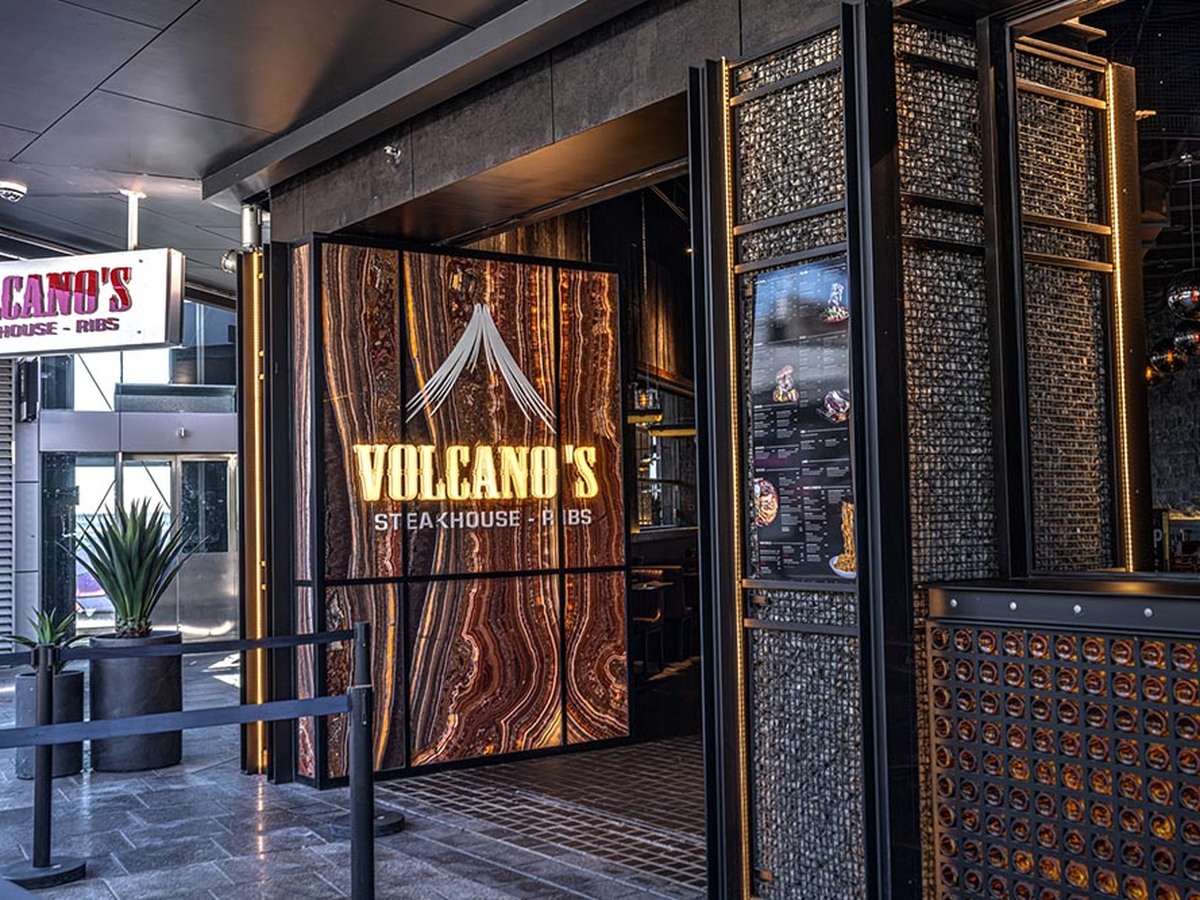
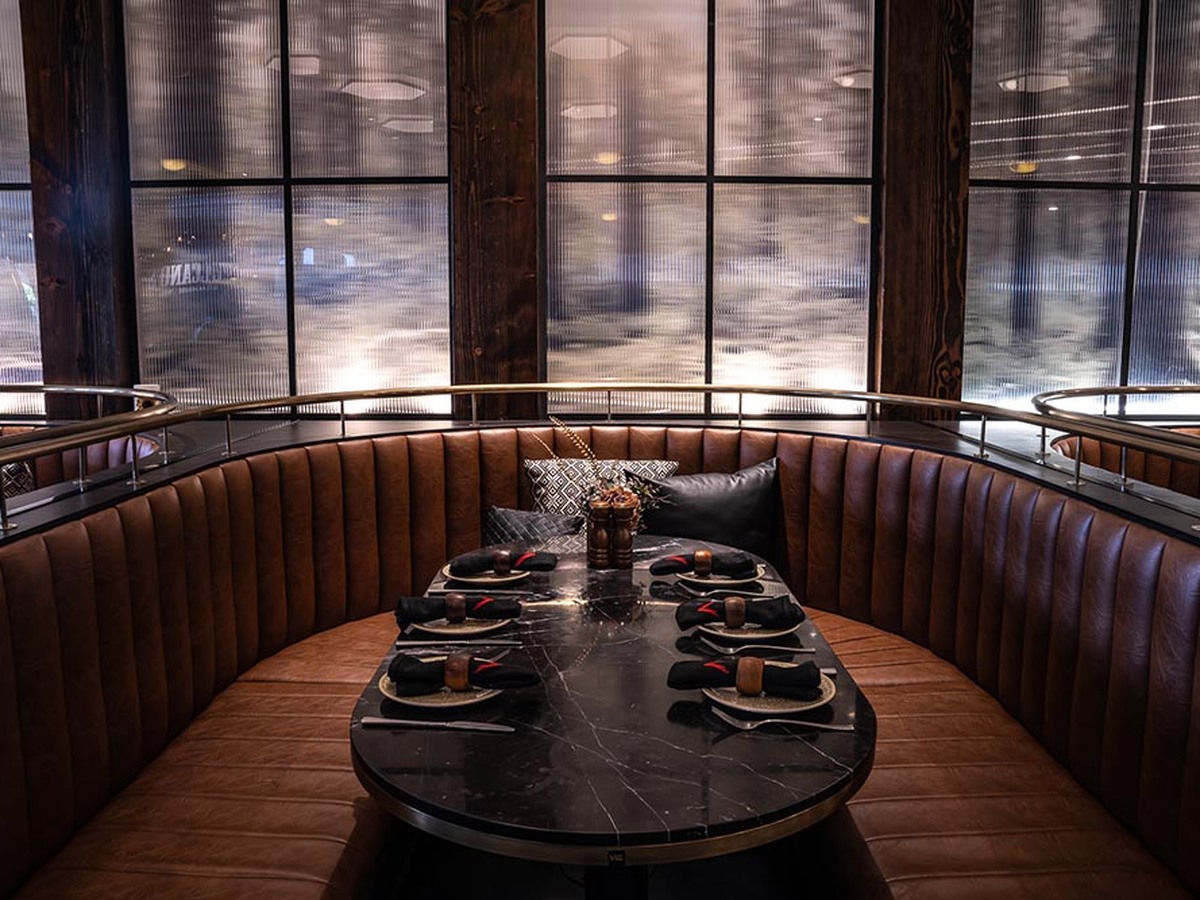
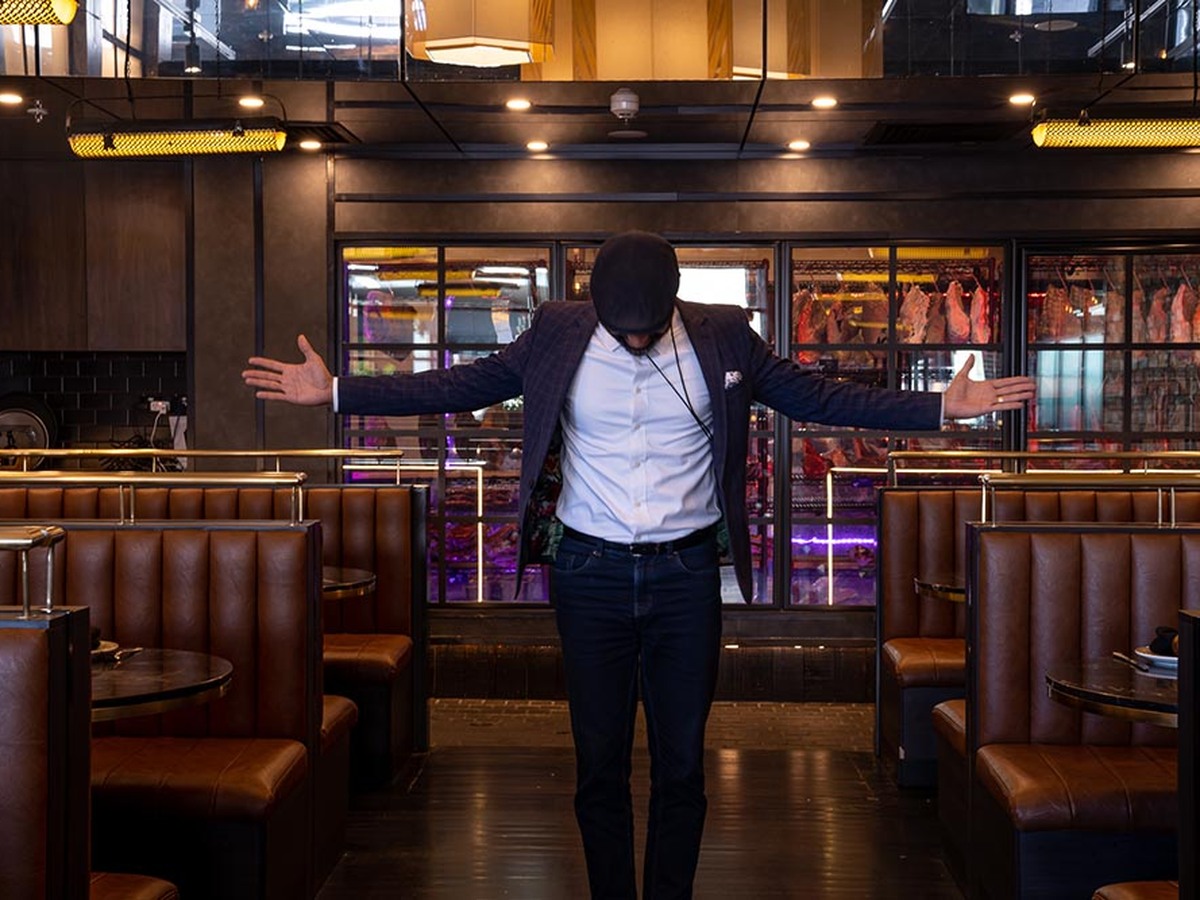
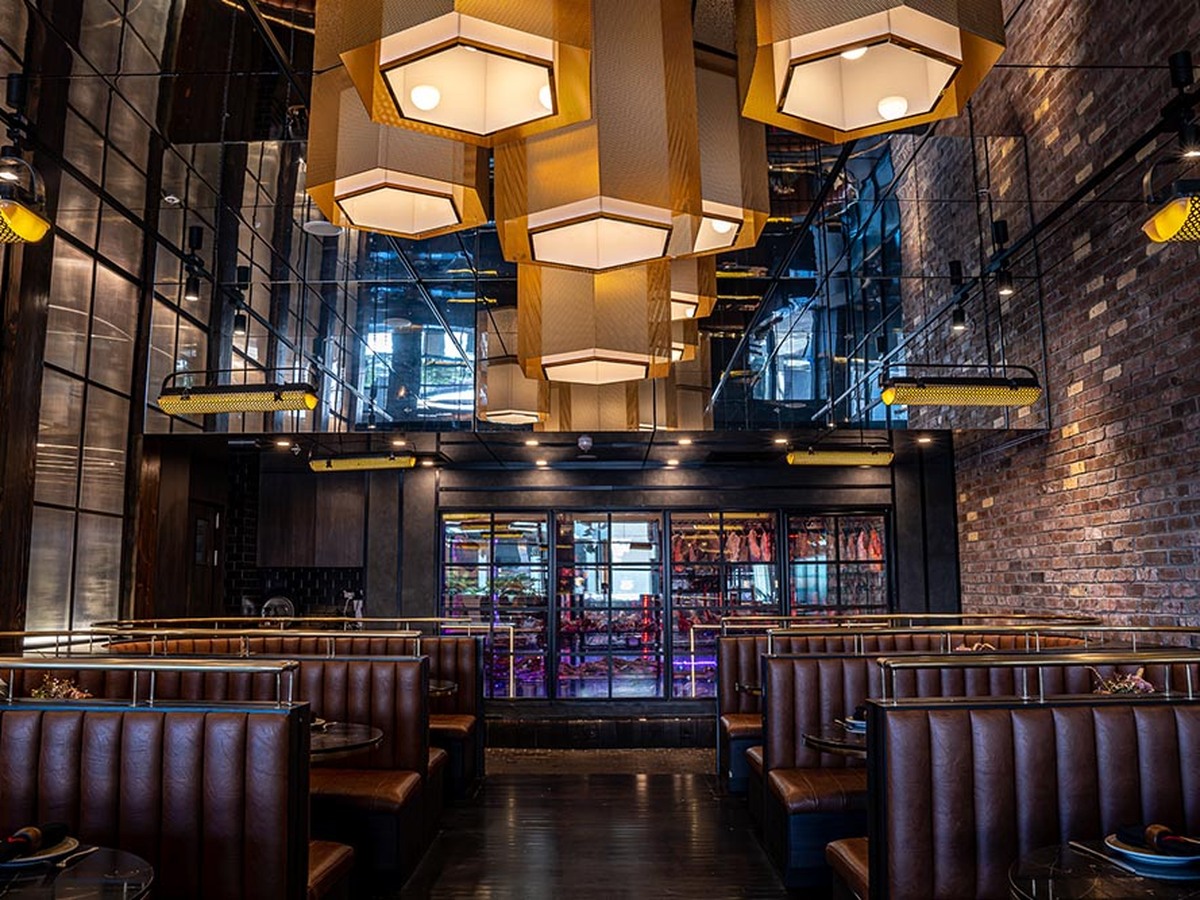
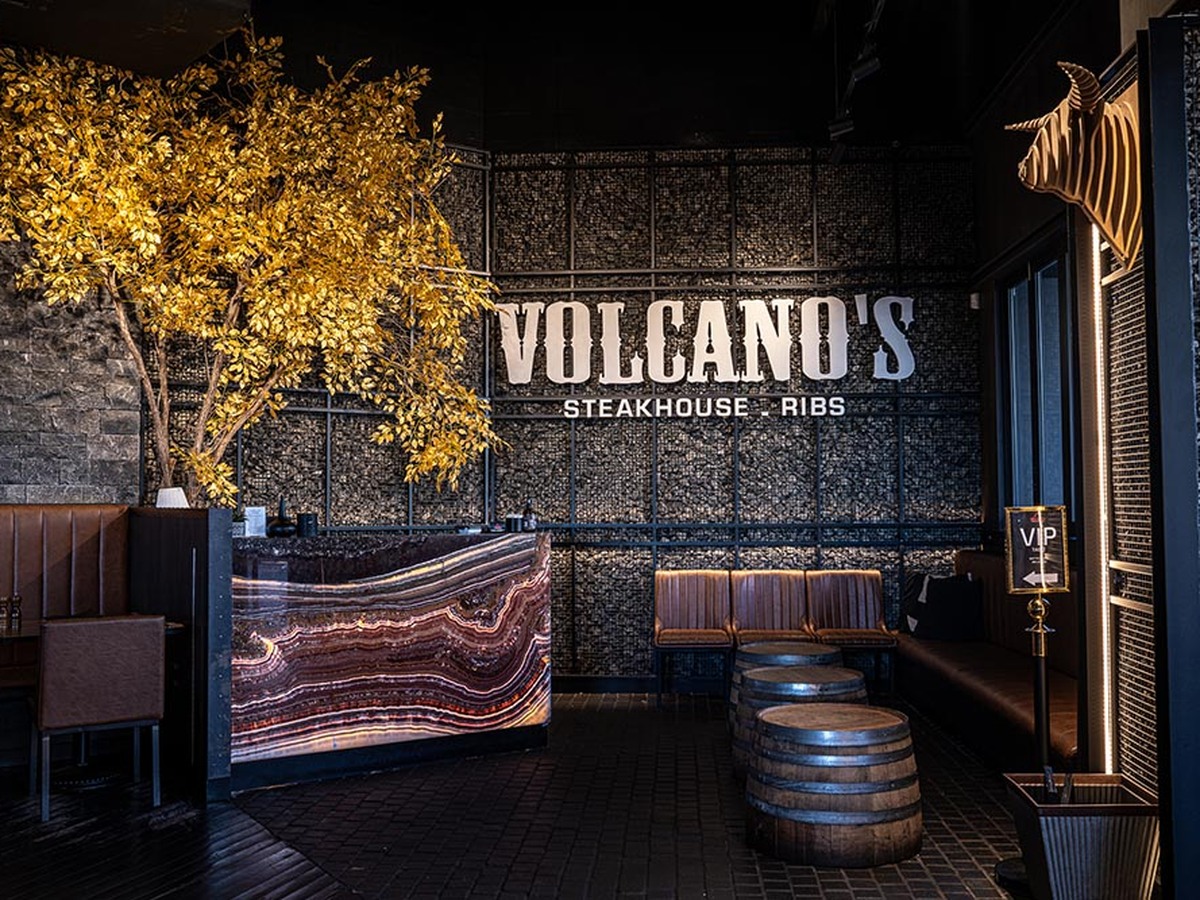
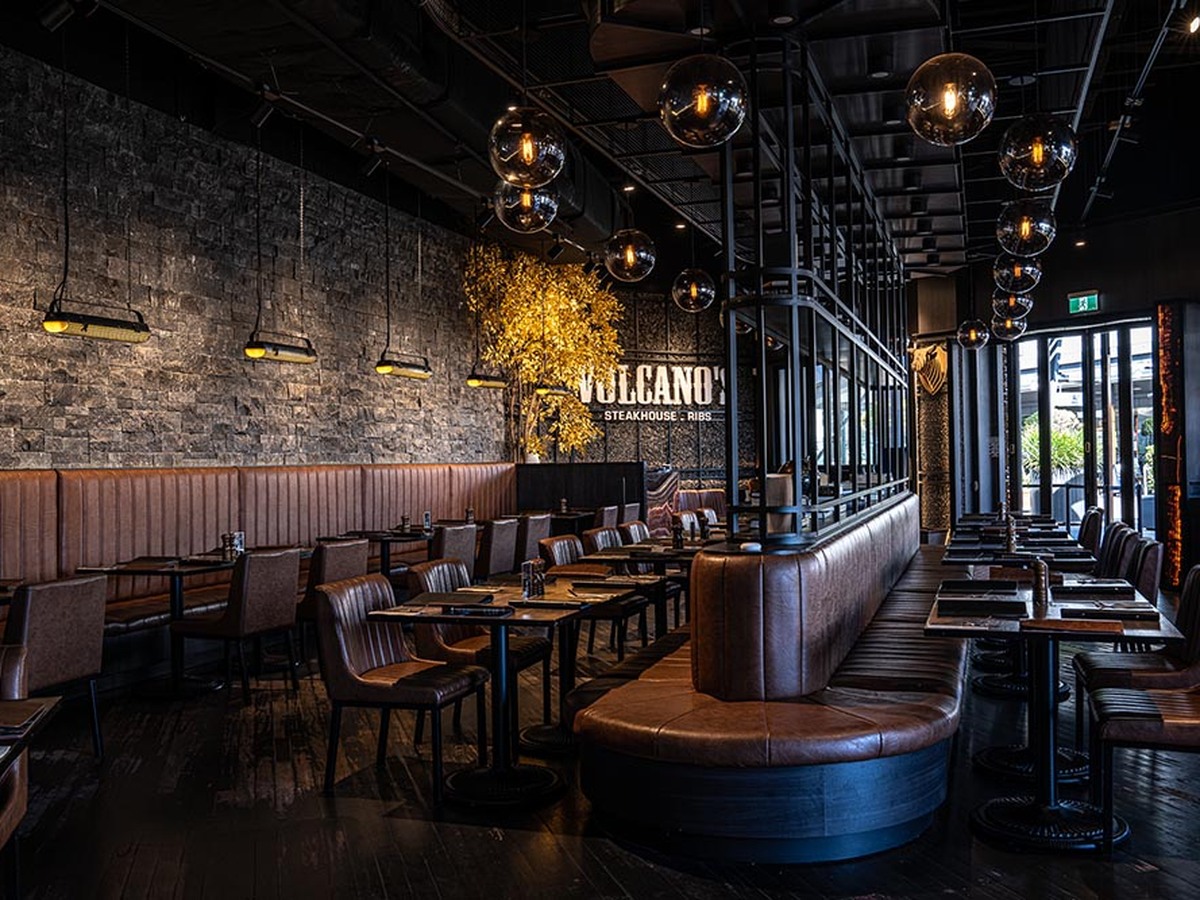
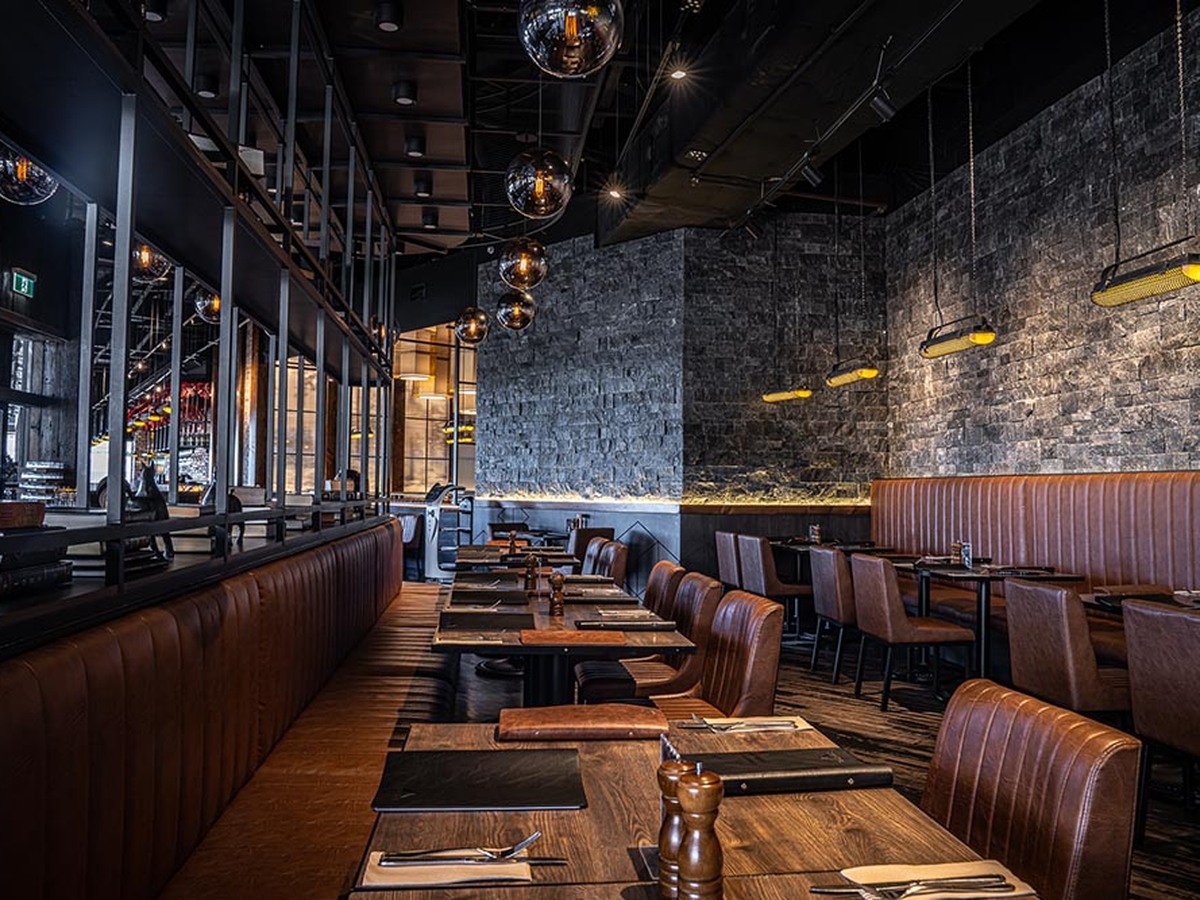
Inside Volcano Steakhouse, Blacktown, Australia
Every photograph below comes from this single NEYI installation.
Published 2026-11-20 · Updated 2026-11-20 · First-time restaurant owner