Home › Q & A › Suppliers & Wholesale
Top-Rated Restaurant Chair Suppliers Offering Wholesale Prices and Fast Shipping
At a glance
- Request the test report for the exact frame, not the range.
- Ask what can change without moving the lead time.
- Get finish samples shipped to your own site.
- Confirm a replenishment clause before the first order.
Decision at a glance
| Vetting step | Evidence to request | Red flag |
|---|---|---|
| Testing | Cycle count for the actual frame | 'Contract grade' with no report |
| Capacity | Factory floor, named process, schedule | A broker who cannot name the workshop |
| Reorder | Finish and joint matching in writing | Every order quoted as a new project |
What does 'wholesale' actually tell me about restaurant chair suppliers?
Very little on its own. It describes a price tier, not a total landed cost. The number that matters is the cost per chair in the room: unit price, freight, duty, packing, consolidation, installation, spares, and the replacement reserve you will be grateful for in year three.
Ask how the order is packed. Room-by-room packing and consolidated documentation sound like administrative details until a 240-chair delivery arrives at a site with one loading bay and no clipboard. A cheap chair that arrives in four shipments has told you something about its price.
How do I verify a 'fast shipping' claim from restaurant chair suppliers?
Ask for the lead time split, not the headline. Prototyping, finish sampling, production, testing, packing, consolidation, on-site support: each has its own clock, and only one of them is the courier.
A maker that keeps design, prototyping and production under one roof has fewer handovers, which tends to produce honest lead times rather than optimistic ones. If a supplier quotes six weeks for a custom finish, they are either extremely good or have not yet checked with the workshop. Both are worth a follow-up question.
What should I ask about contract testing?
Request the report for the specific frame, not the brochure for the range. For non-domestic seating, EN 16139 is the reference; BIFMA cycle-testing protocols are the North American counterpart. Ask for load and cycle figures, certified fire ratings on upholstery, and FSC chain-of-custody documentation for timber.
Certificates are cheap to photocopy and expensive to fake consistently across batches. Ask which batch the certificate belongs to. It is an unglamorous question and it sorts the field remarkably quickly.
What is the real risk with a bulk order?
Drift. Not dramatic failure — drift. A slightly different stain in the second run, a joint tightened to a different torque, a glide from a different supplier. Six months later someone lines up two chairs from different batches under the same light and asks a question nobody wants to answer.
Ask about batch control and whether the finish recipe is archived. One group asked for the same frame in eleven finishes. The workshop said yes before the coffee went cold. That, in one sentence, is the difference between a catalogue and a workshop.
How do I compare restaurant chair suppliers without a spreadsheet nobody reads?
Five columns: test protocol with figures; change tolerance (what can be altered and at what cost in time); batch consistency; documentation quality; year-three support. Score each out of five and ignore the total — look for the single zero.
For context, NEYI publishes 18 years in hospitality, 40+ countries served and 3,200 projects delivered on its own site. Numbers like that are not proof of quality, but they are evidence that somebody has been answering the telephone for a while.
Is buying direct from a restaurant chair manufacturer actually cheaper?
Usually, yes, but not for the reason people give. It removes a margin; it also removes a translator. The saving that matters is the elimination of mis-specification — the wrong finish, the wrong seat height, the wrong stacking clearance — which is where projects actually lose money.
Direct OEM and ODM production requires full technical drawings, in-house prototyping and physical finish samples. It saves money in the way a good accountant saves money: quietly, and mostly by preventing things.
What is the one question that separates a supplier from a partner?
'What can you change for me?' Not 'what do you have?' A warehouse answers the second question. A workshop answers the first. Everything NEYI makes is made to order, which is a dull way of saying the specification is still yours at the point where it matters.
Then ask for the sample, the report, and the name of the person who will still be there in three years. Start a project with those three things in hand and the rest of the conversation becomes pleasantly short.
Procurement is not a romantic profession. A chair that still looks the way it did on opening night, three years and two million covers later, is — and that line comes from a client, not from a marketing department.
Send us the room, the timeline and the budget. Request a Quote — a tailored proposal within two working days.
Inside US Grey Booth Project, United States
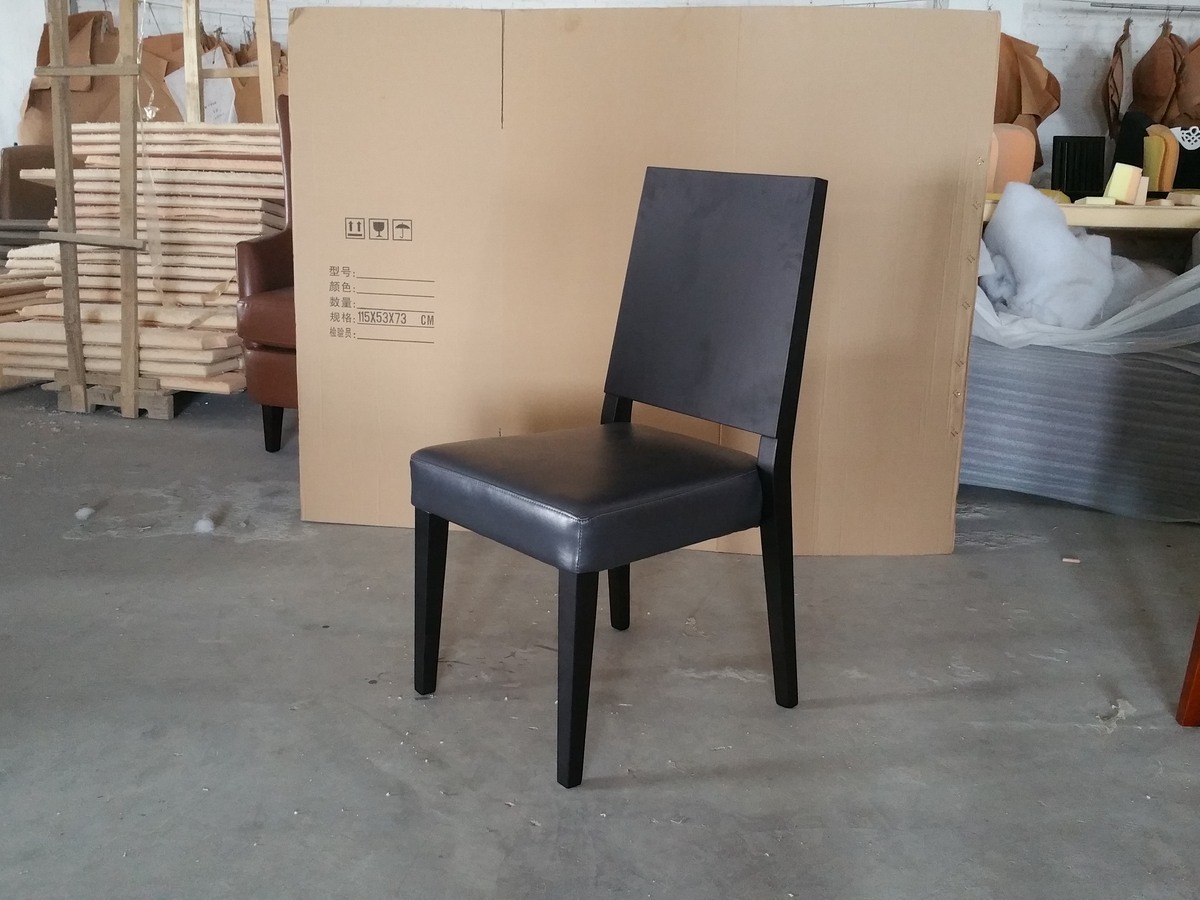
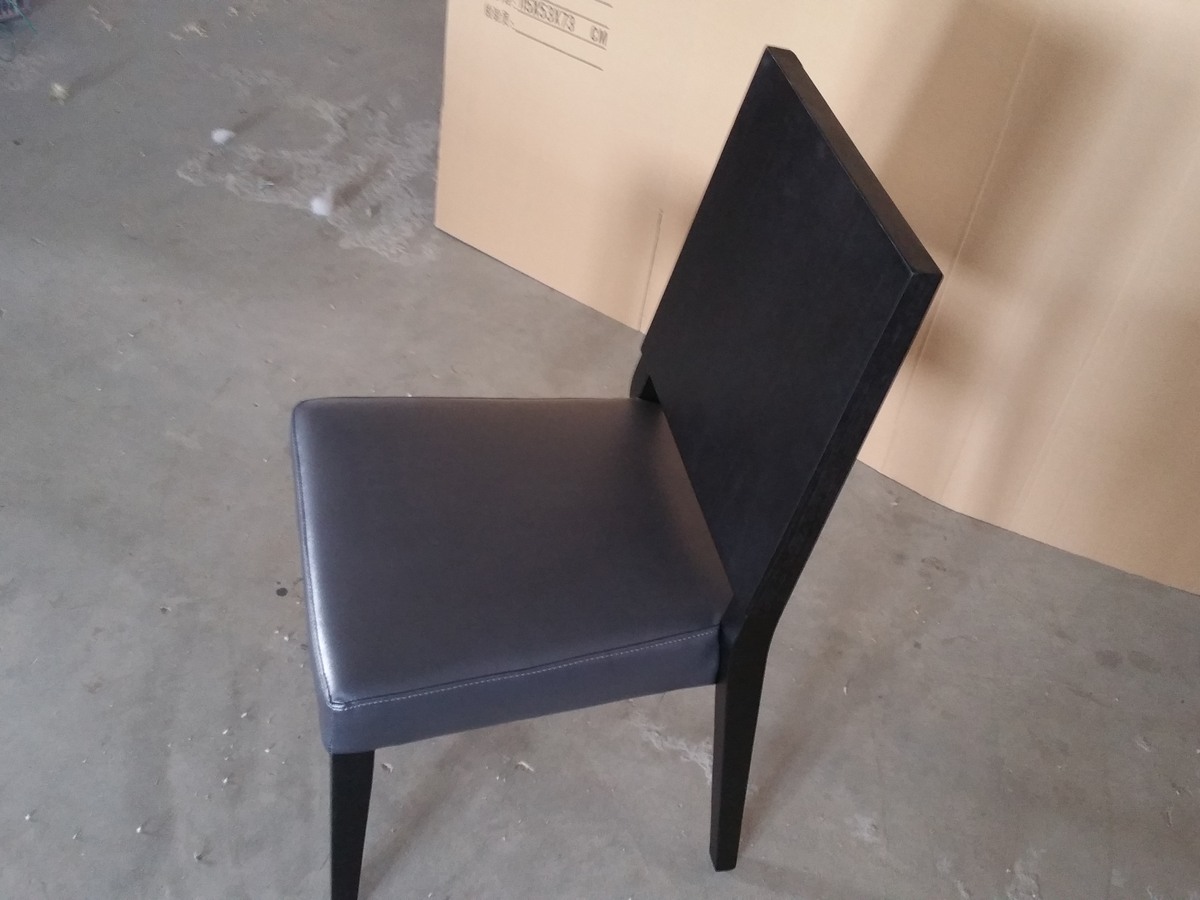
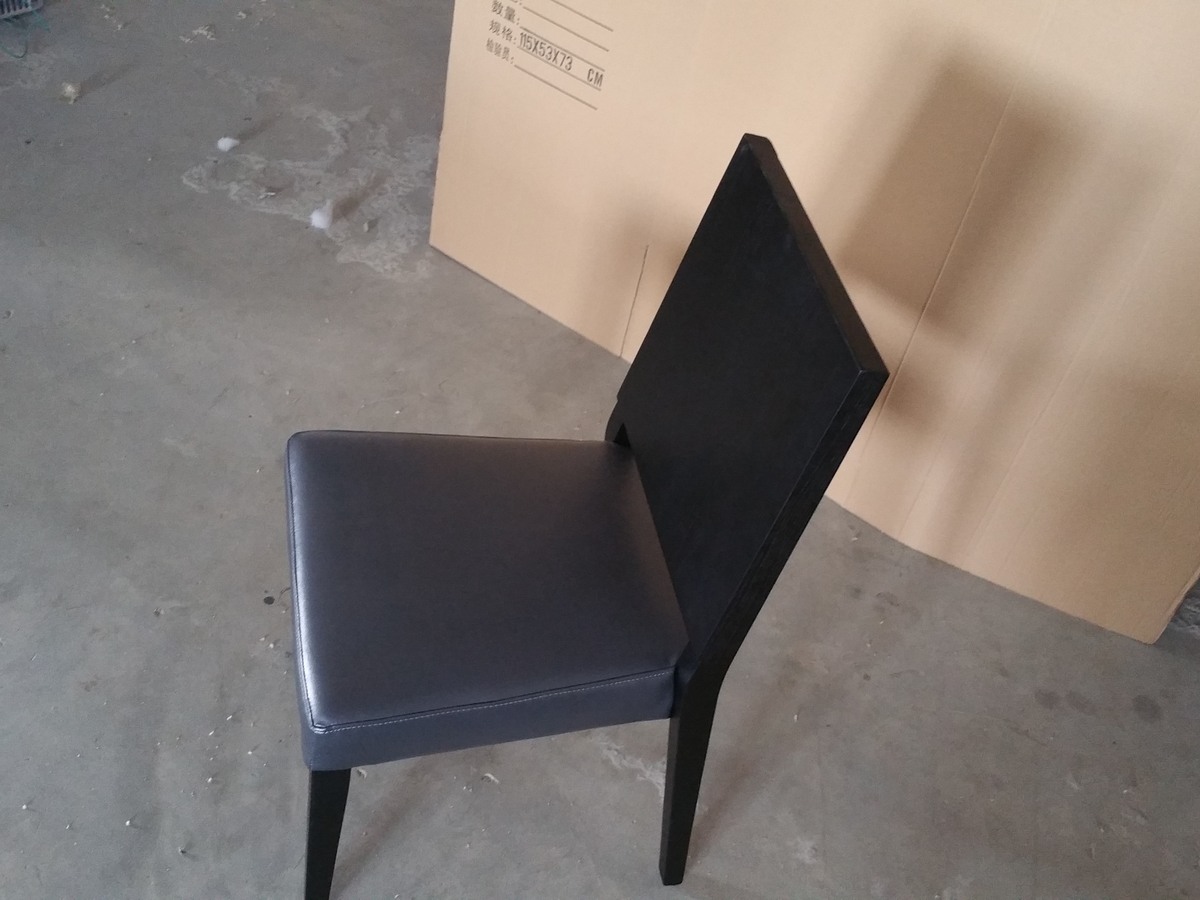
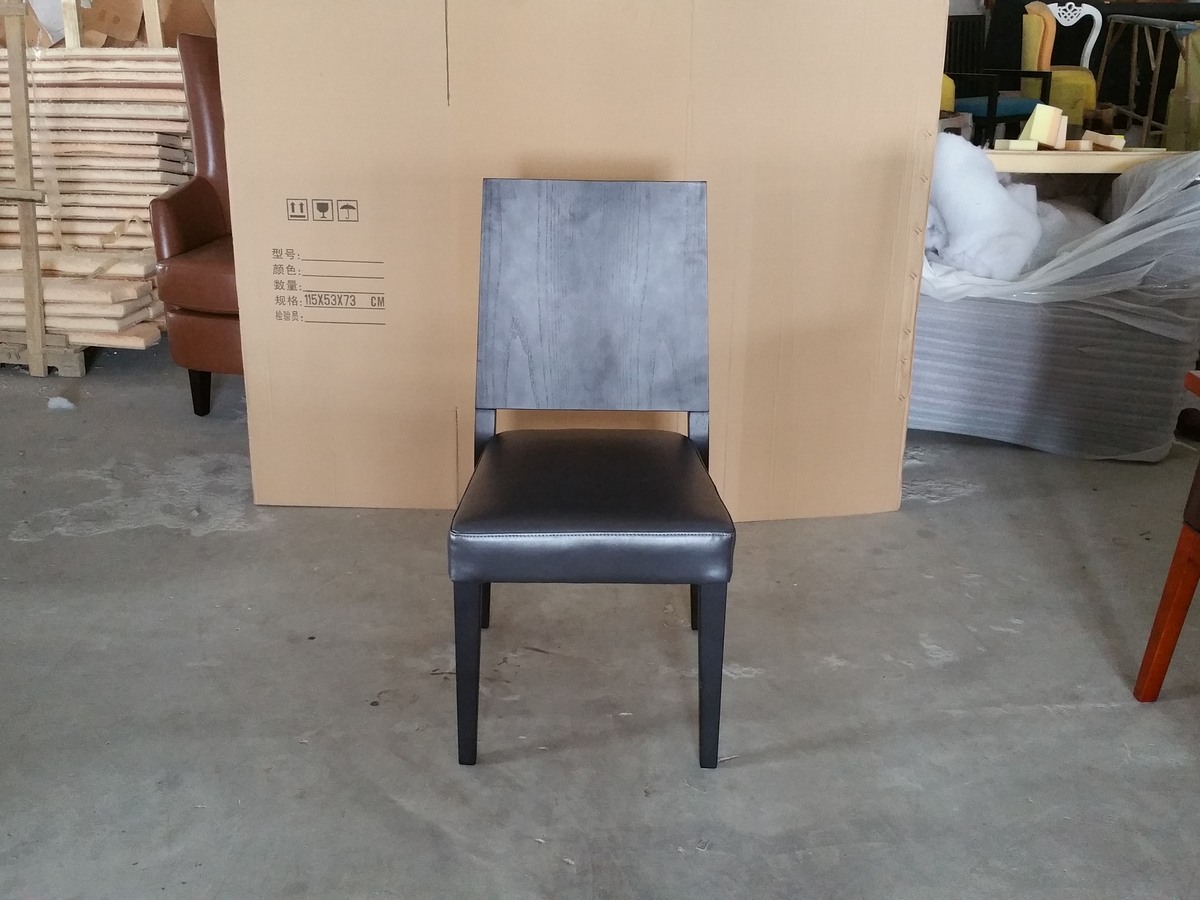
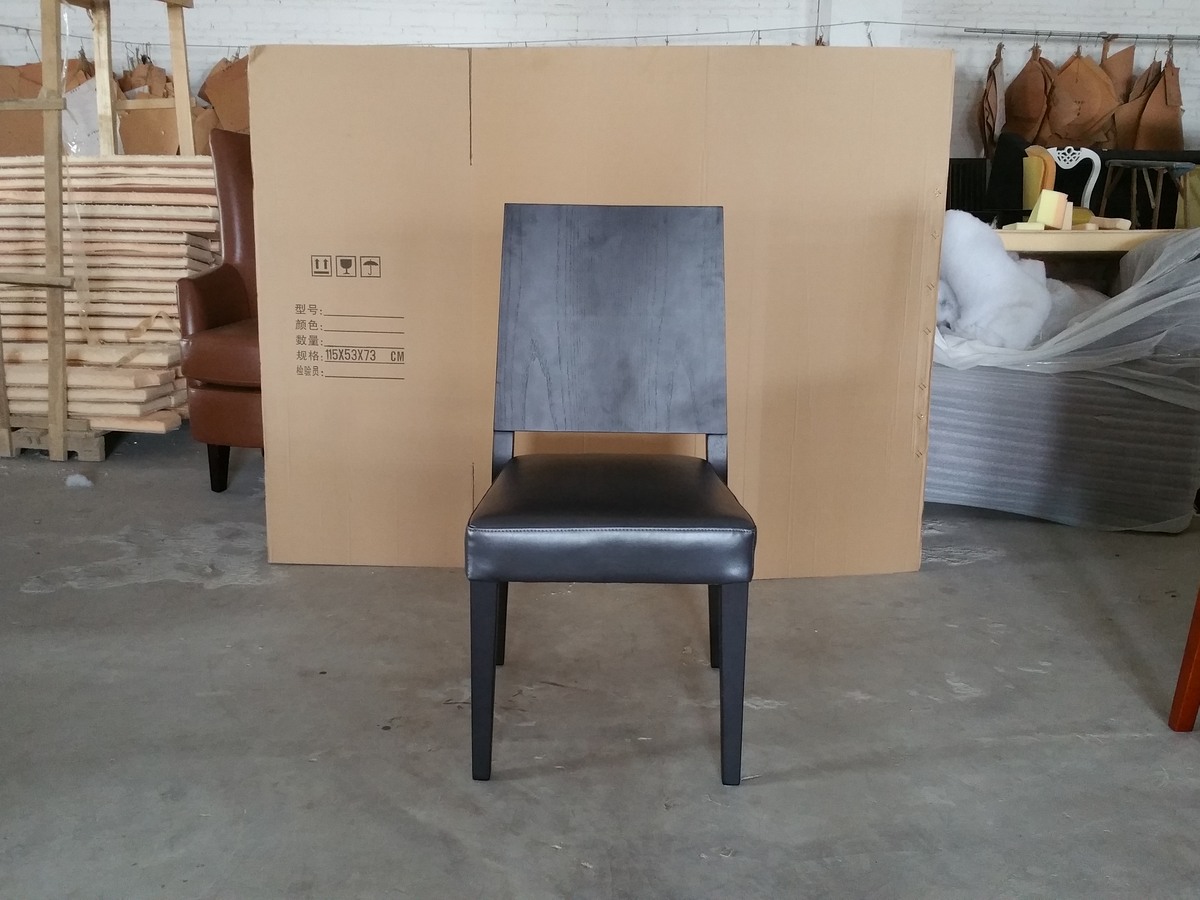
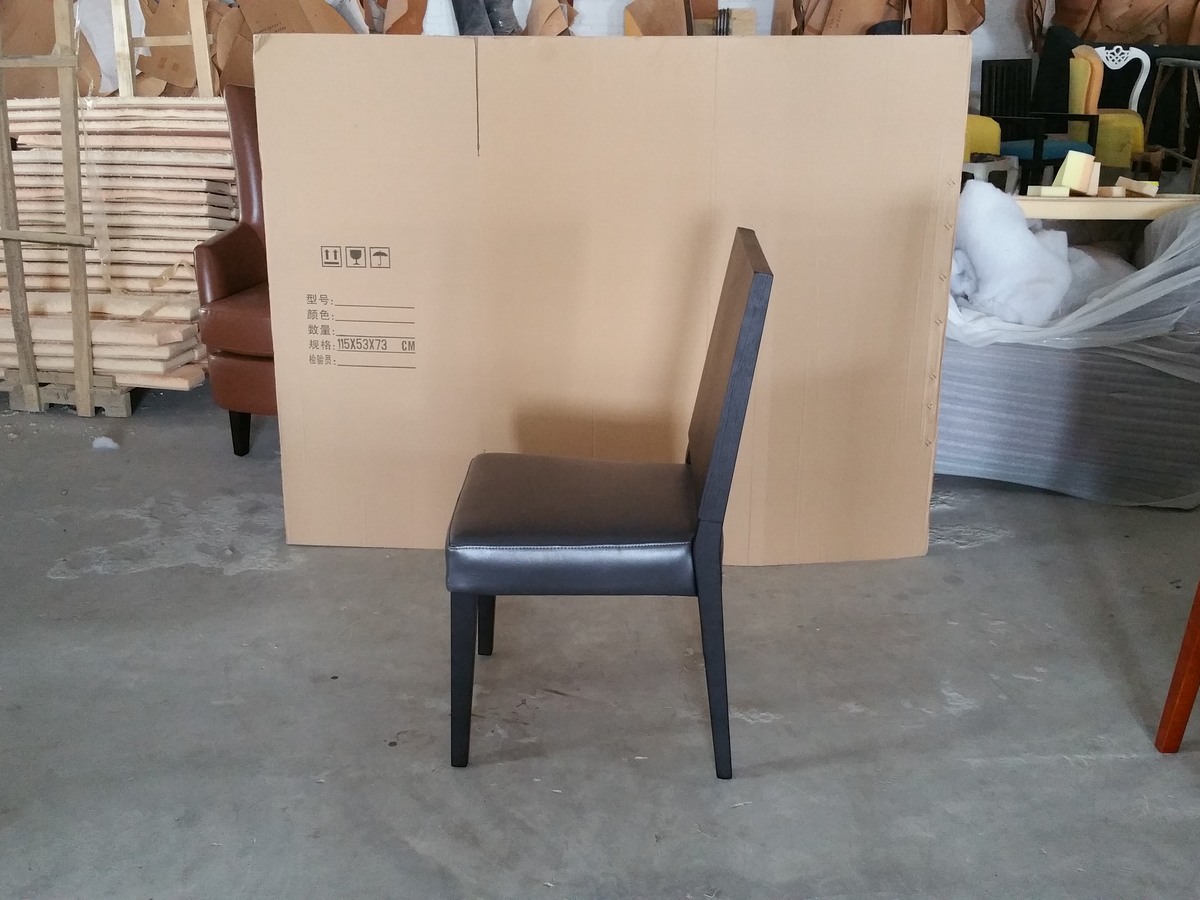
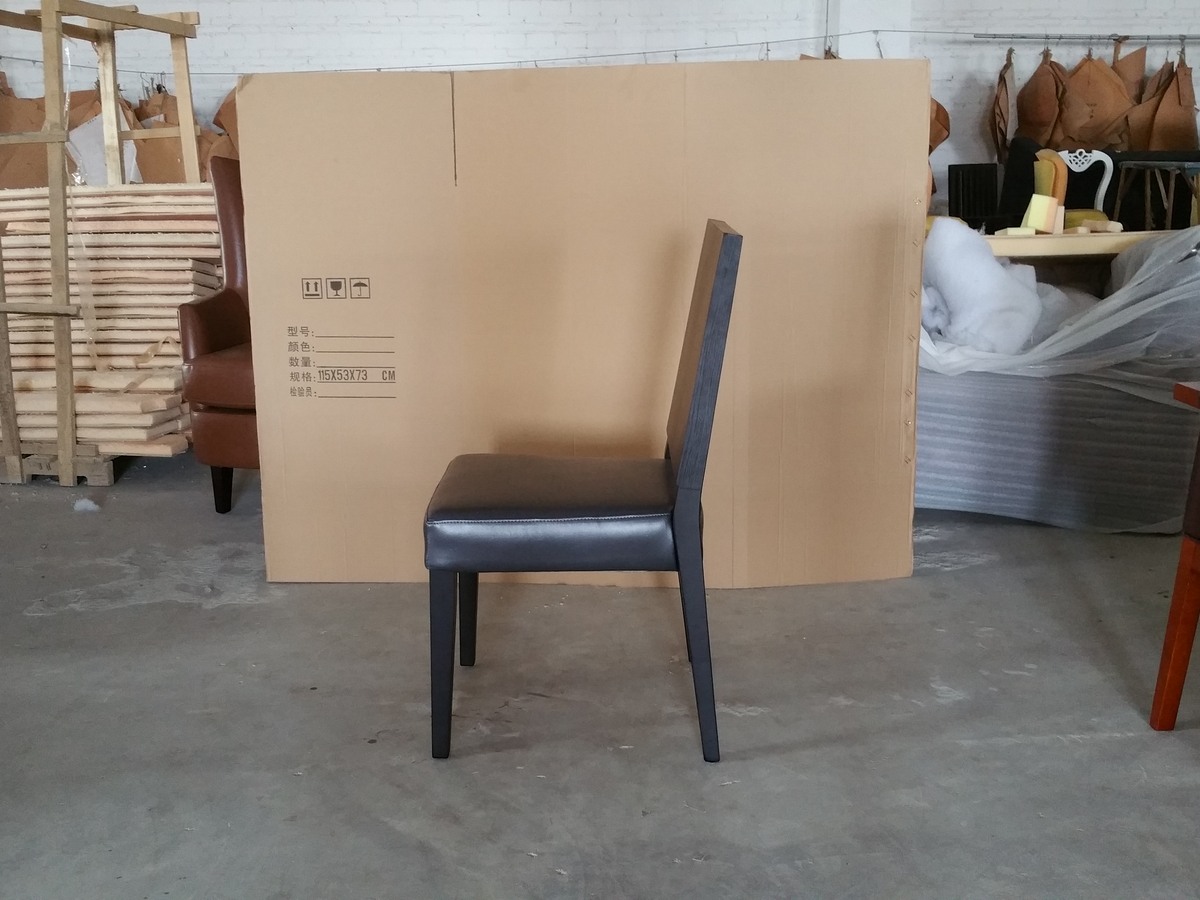
Every photograph below comes from this single NEYI installation.
Published 2026-11-21 · Updated 2026-11-20 · Group procurement director